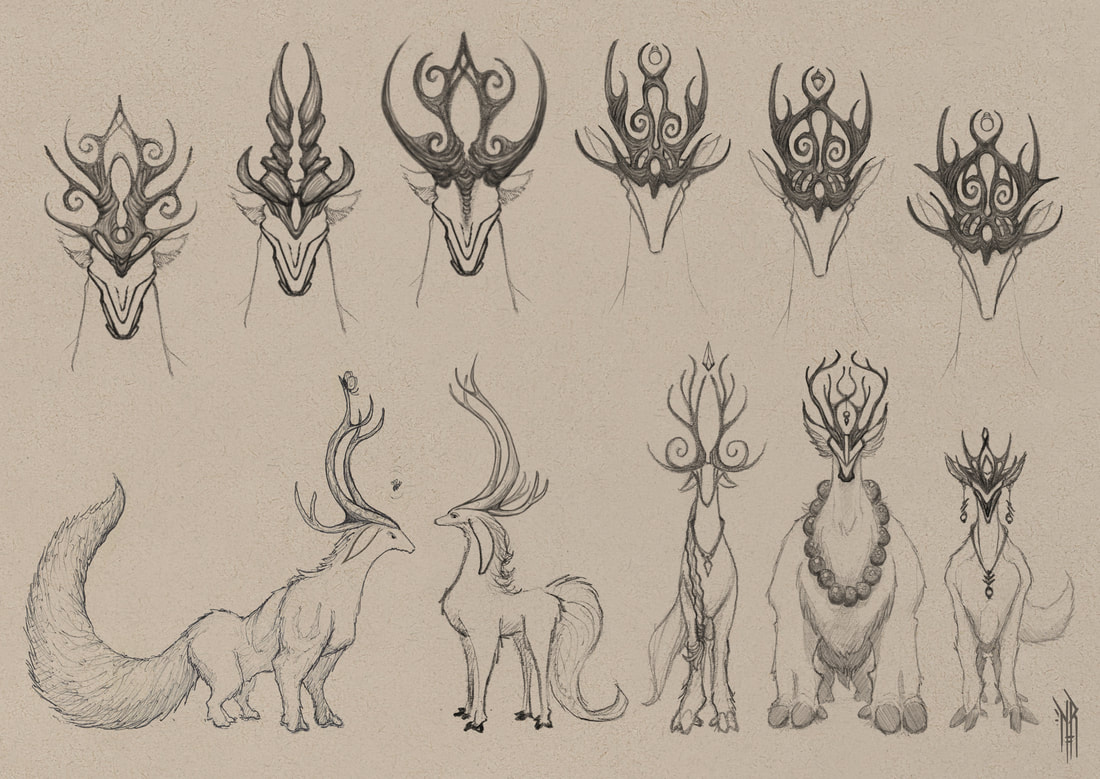
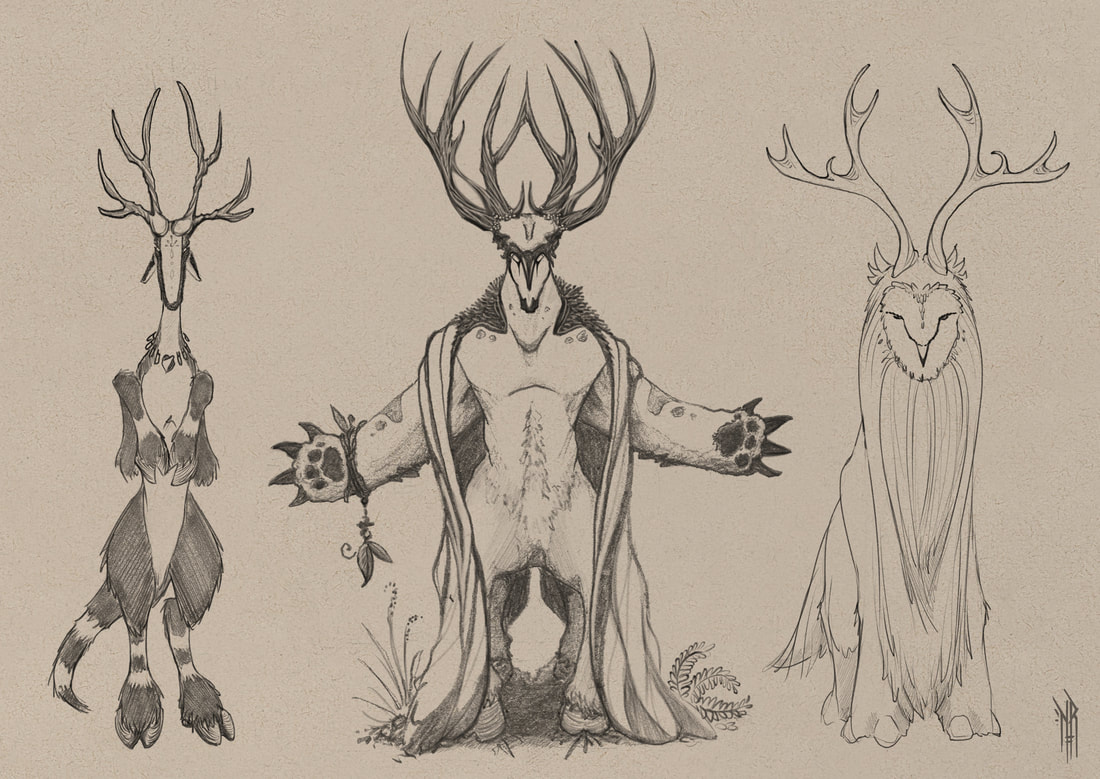
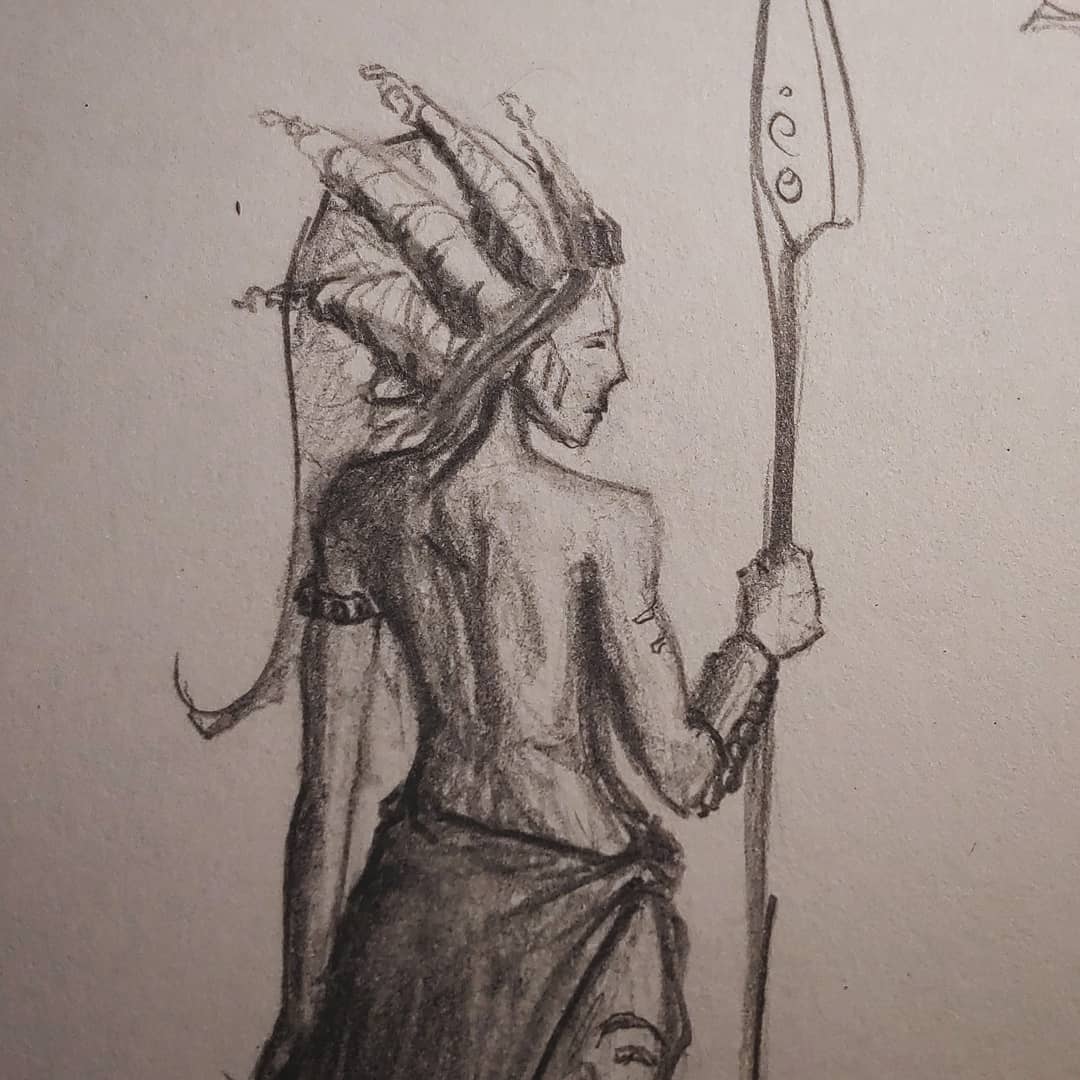
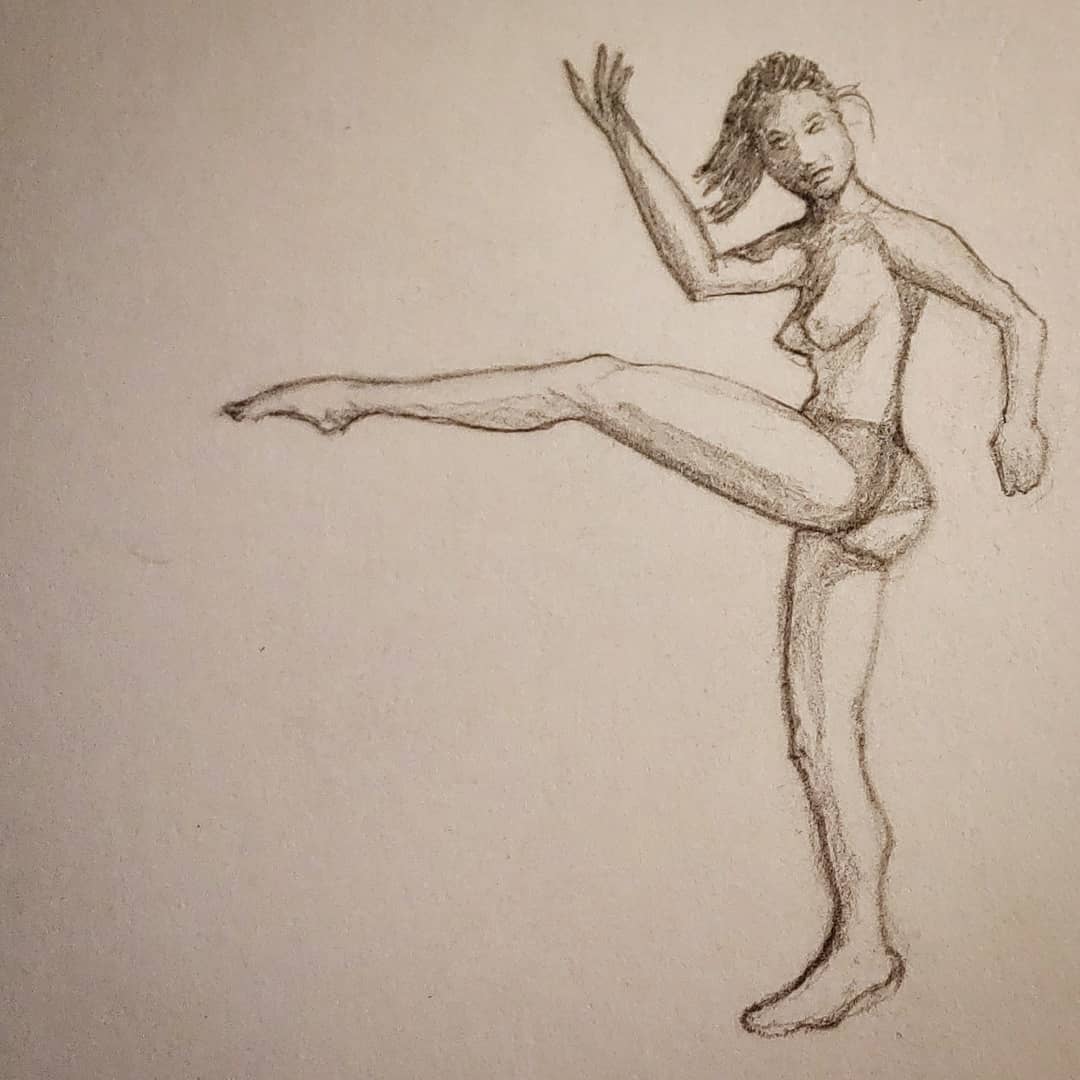
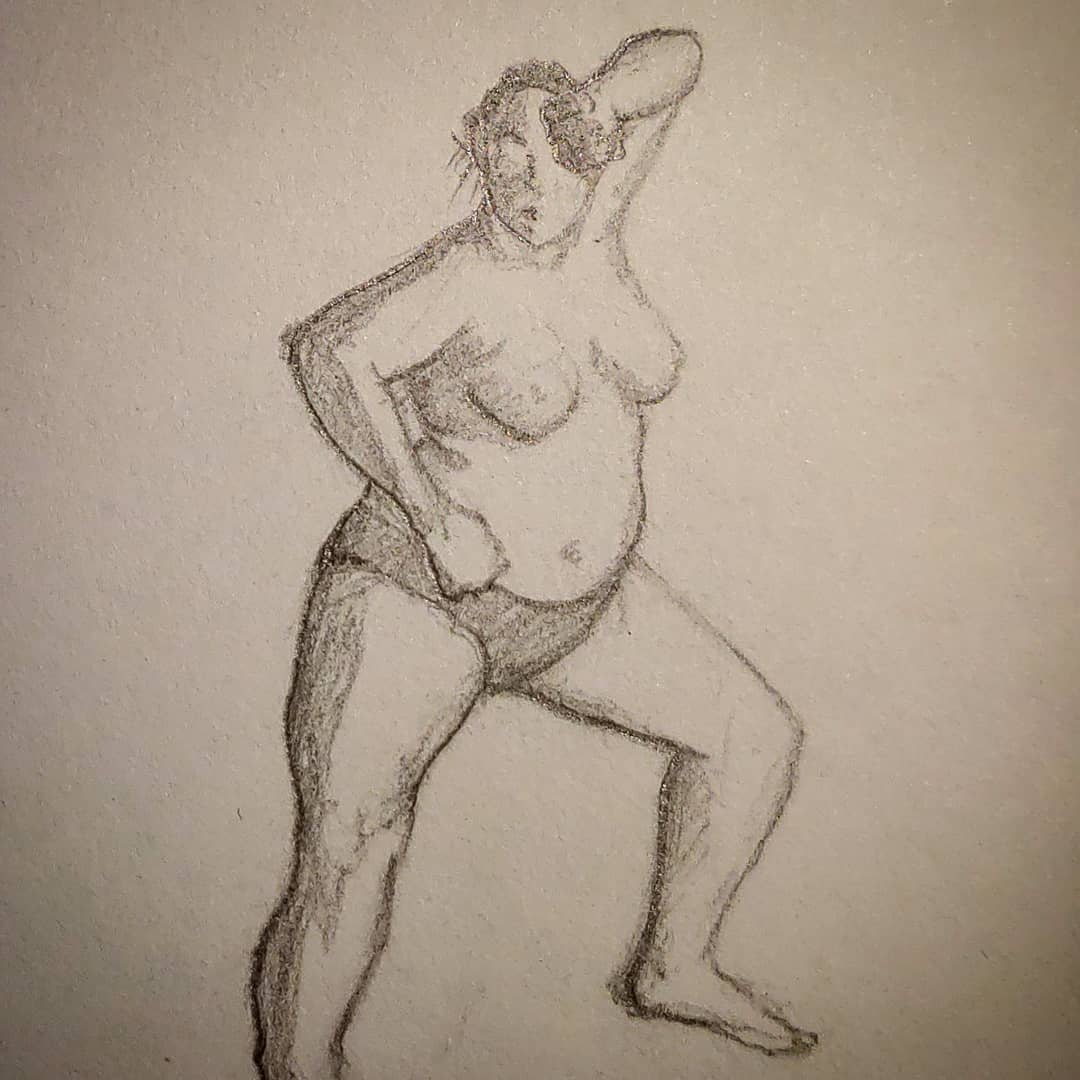
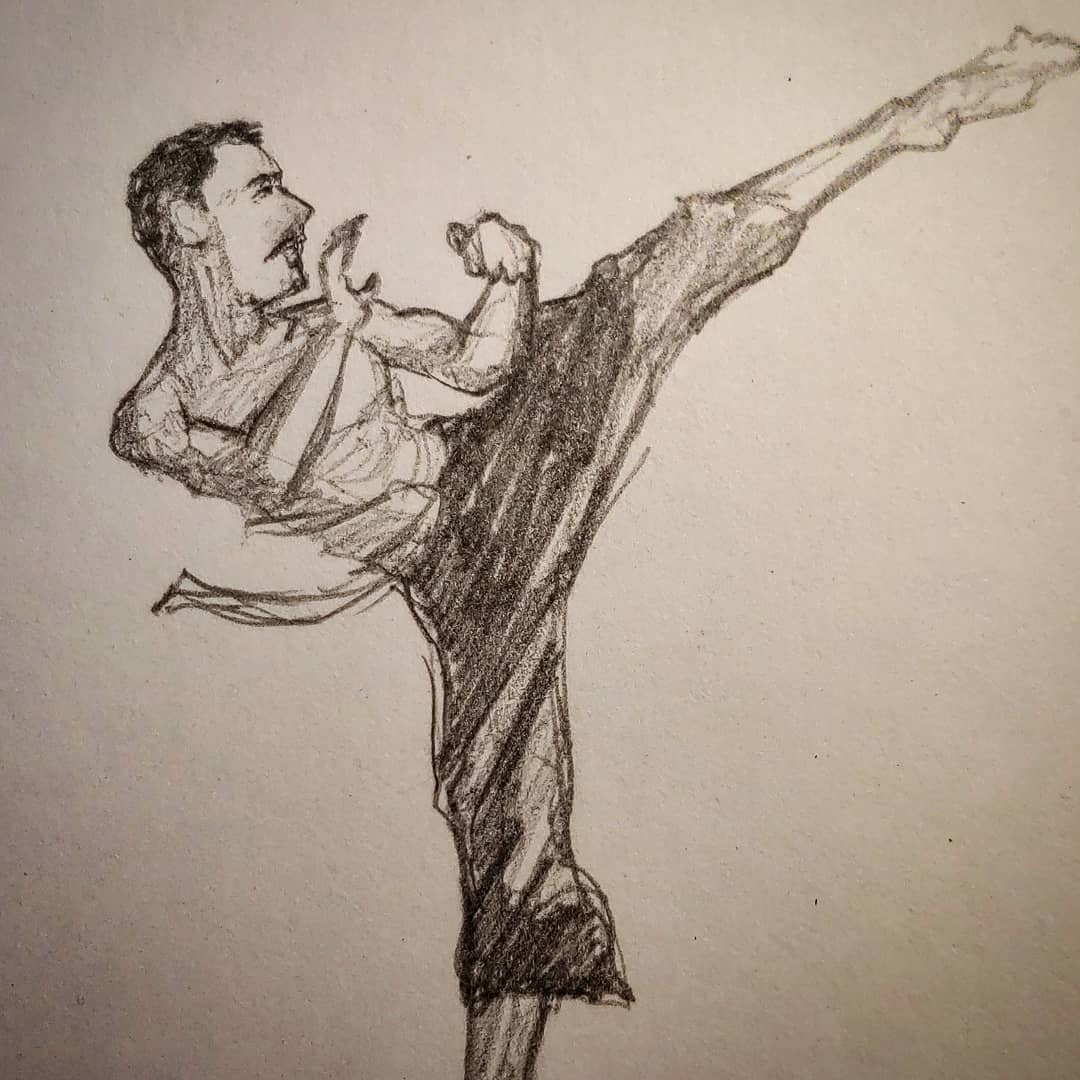
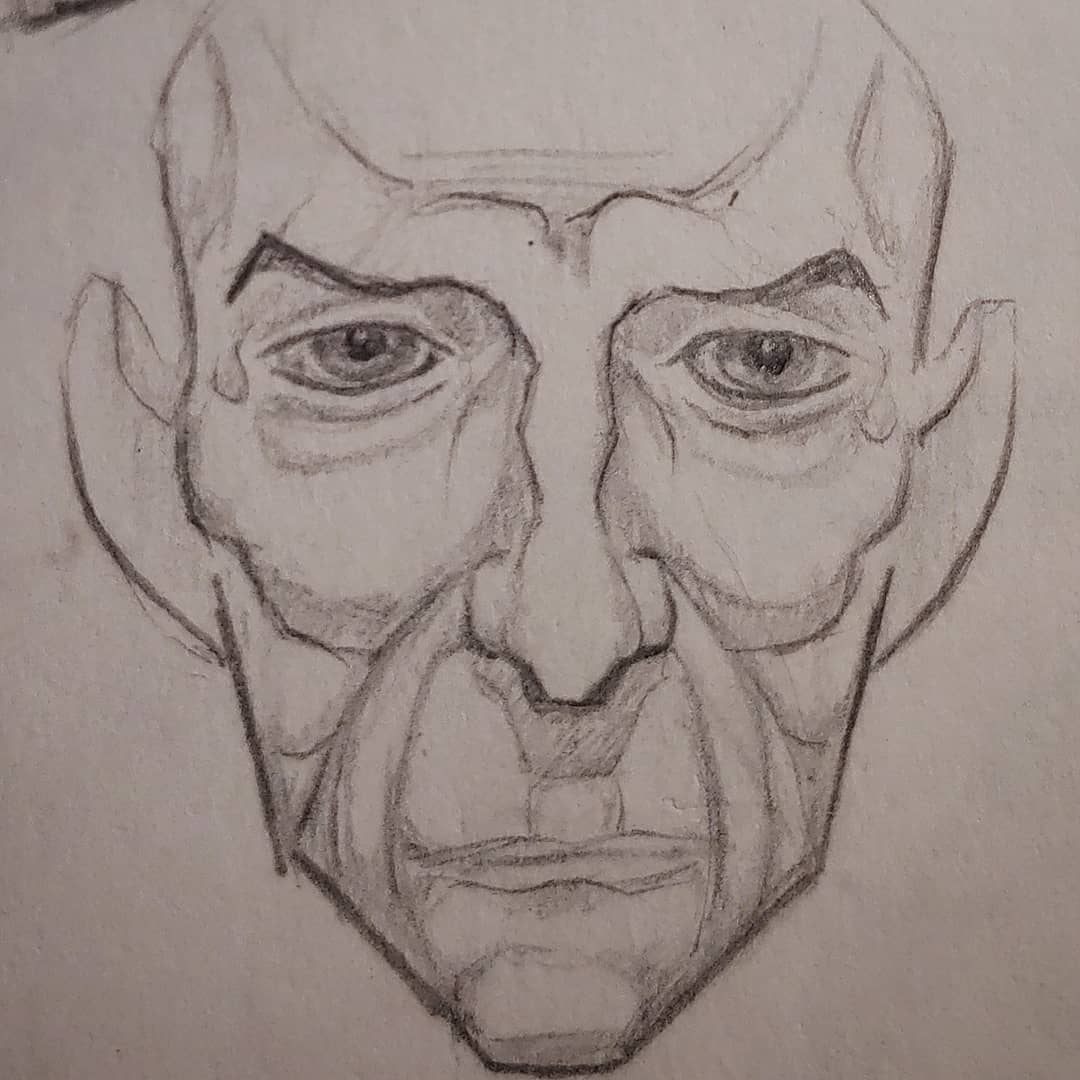
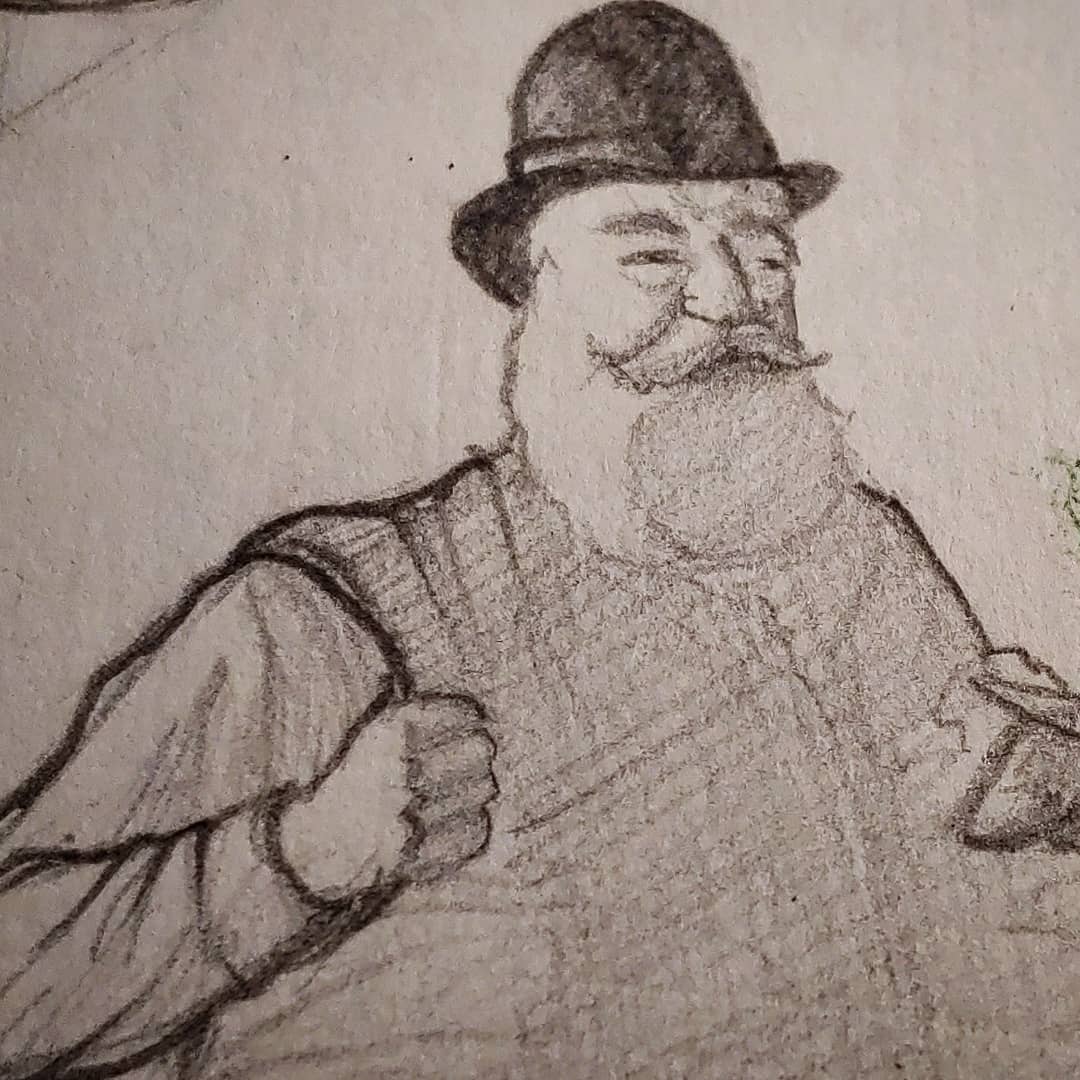
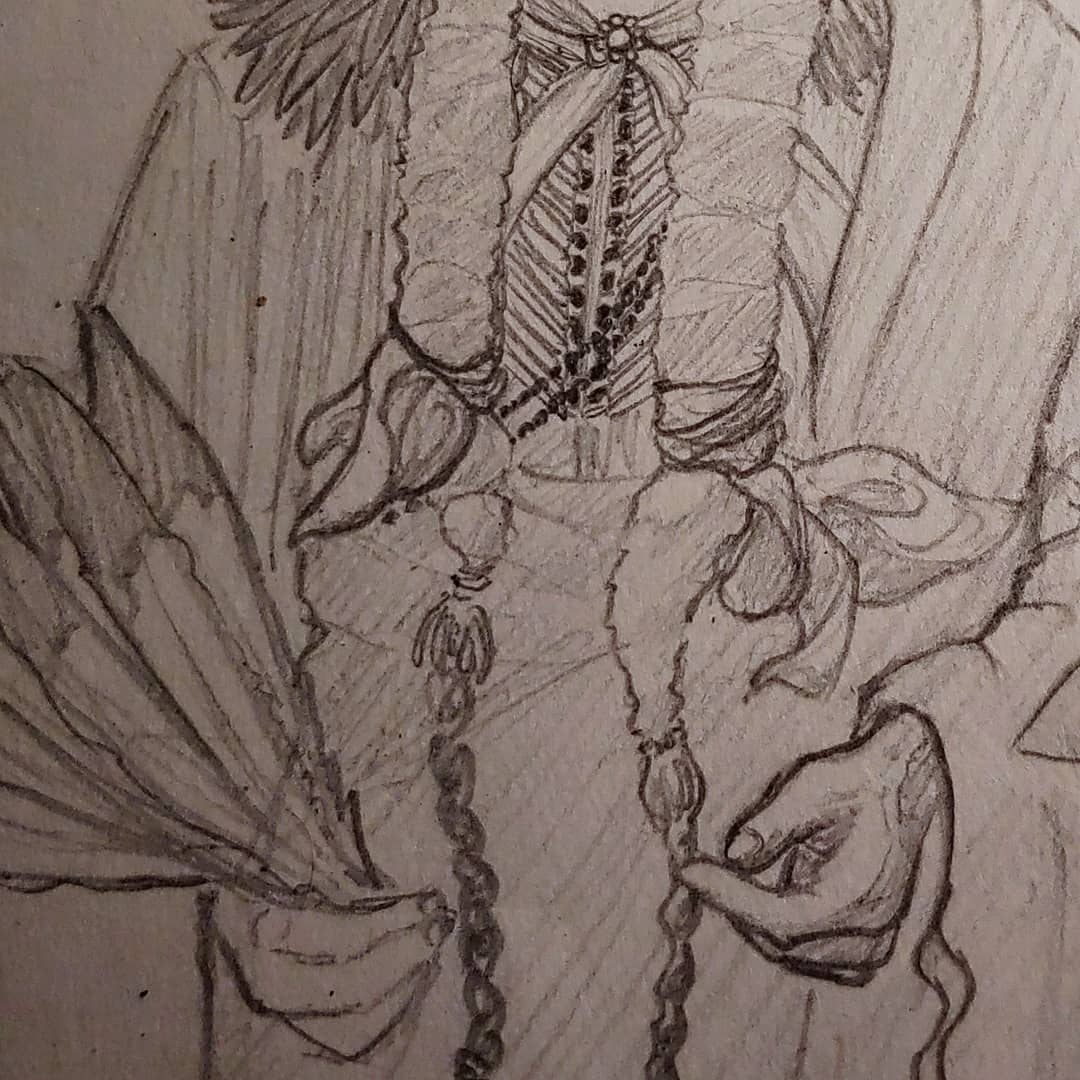
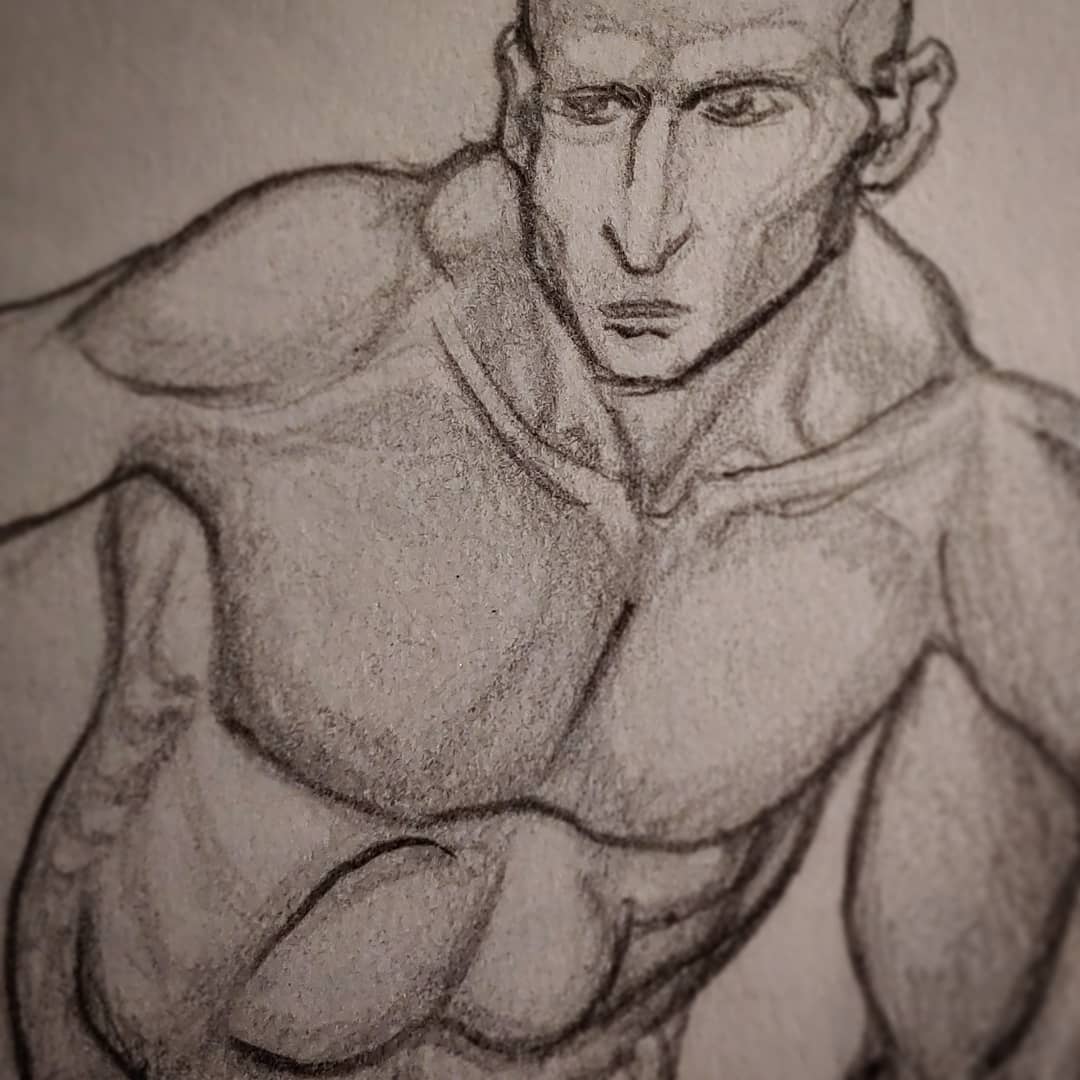
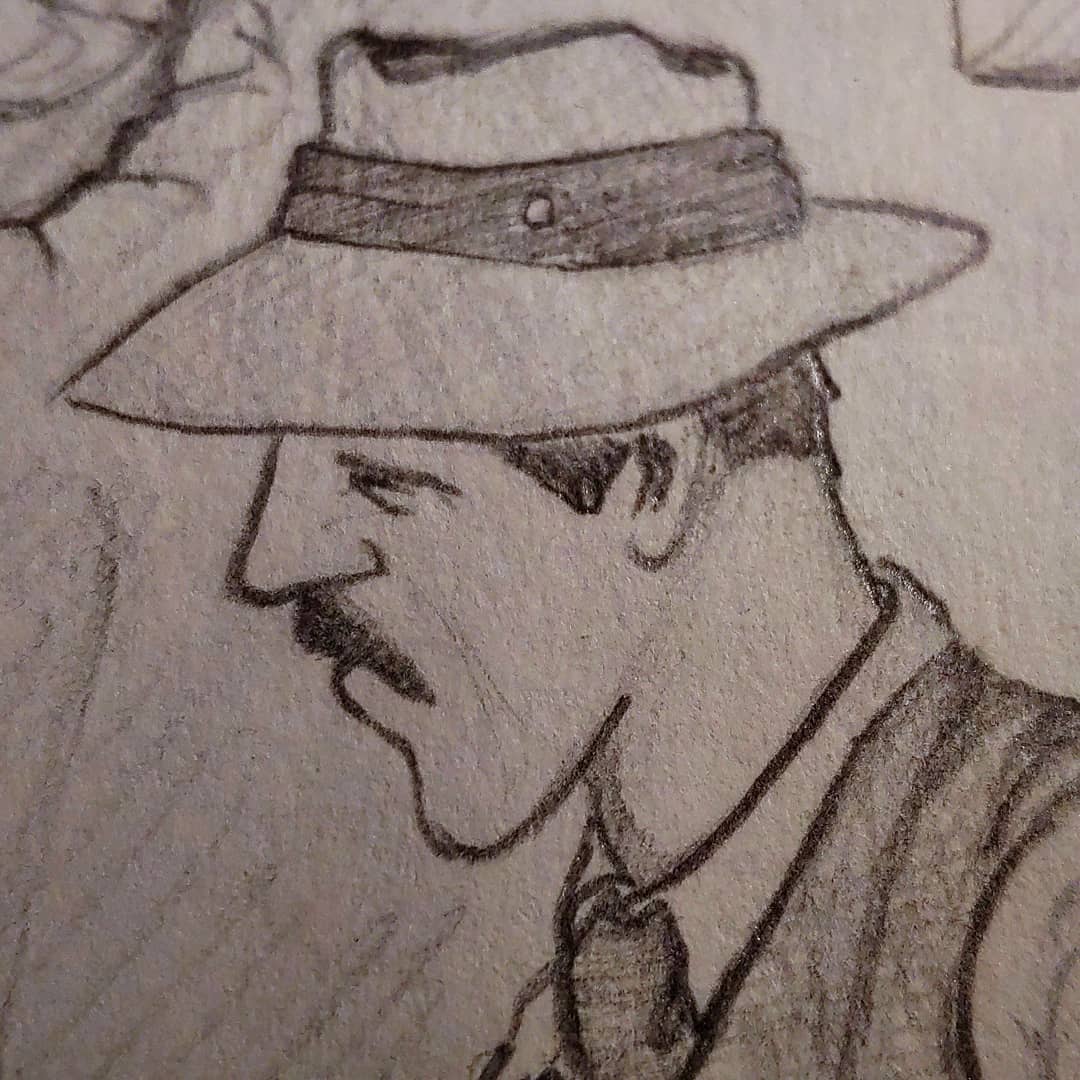
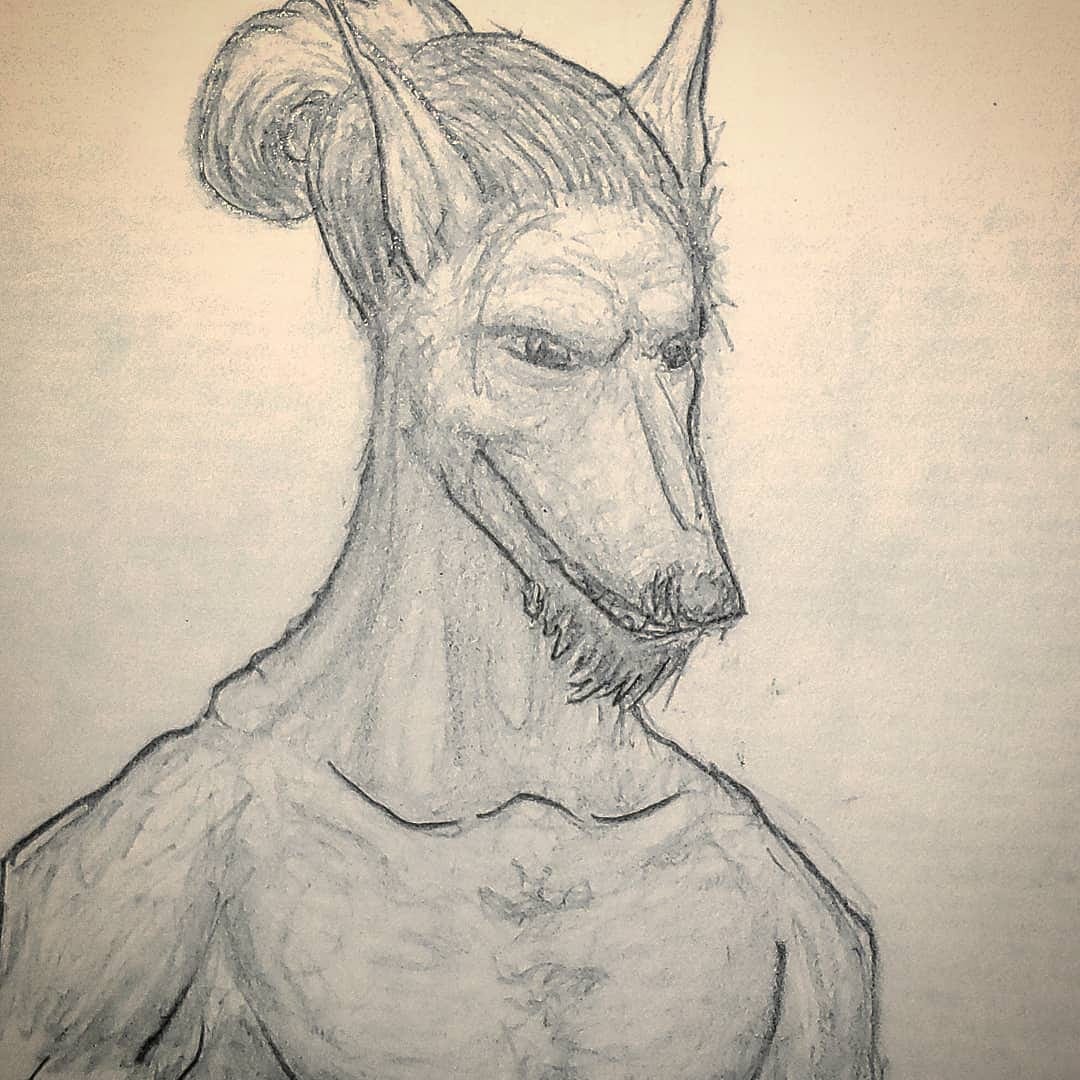
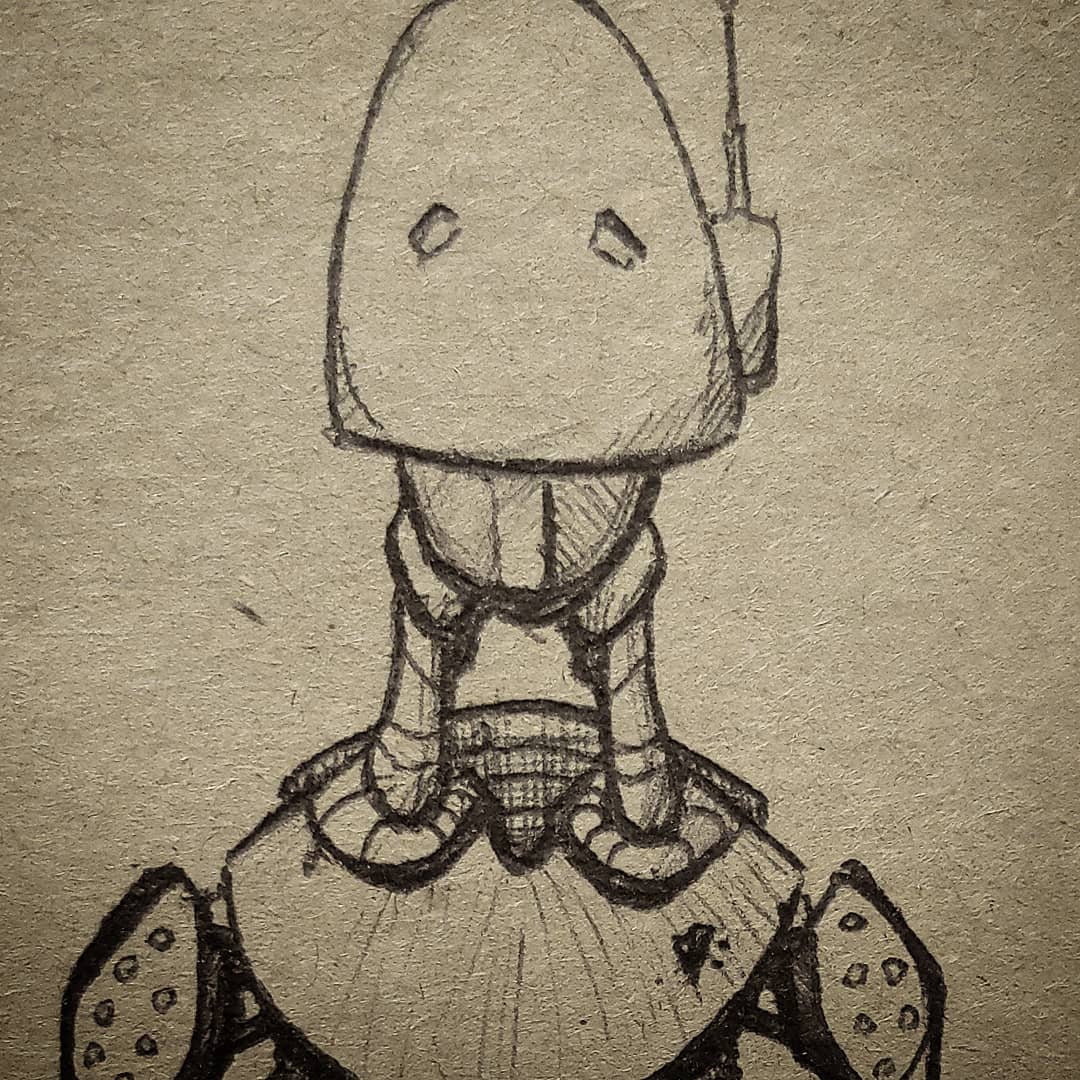
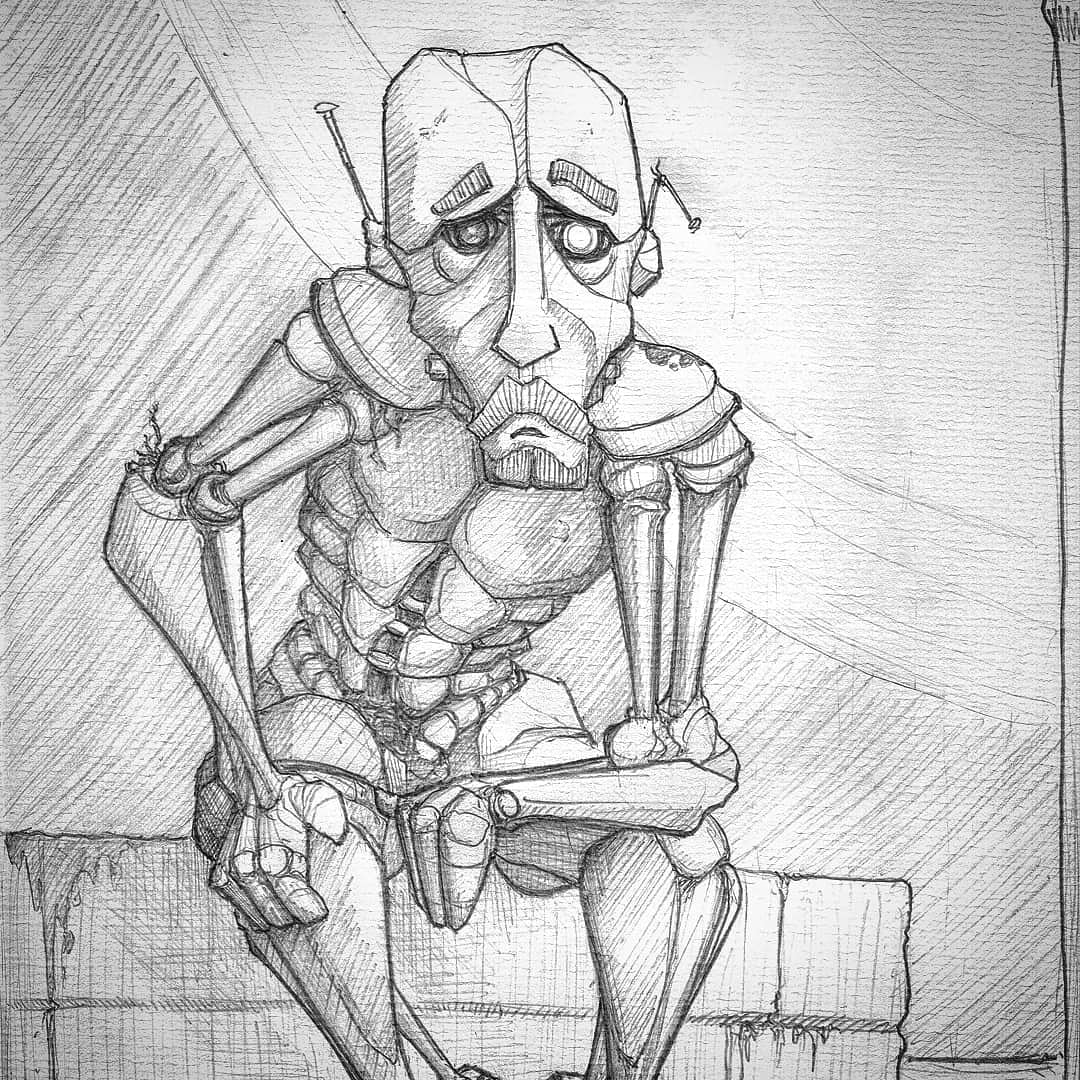
  I have been making concerted effort lately to improve my linework and sketching ability on a Wacom tablet. I have found that the 12"-18" parallax from the tablet to the screen has led me to habits of avoiding doing linework in digital. I tend to default to broader strokes and painting methods instead of beginning with drawing fundamentals and linework. There is a huge difference to me between my line grace with physical mediums and digital.
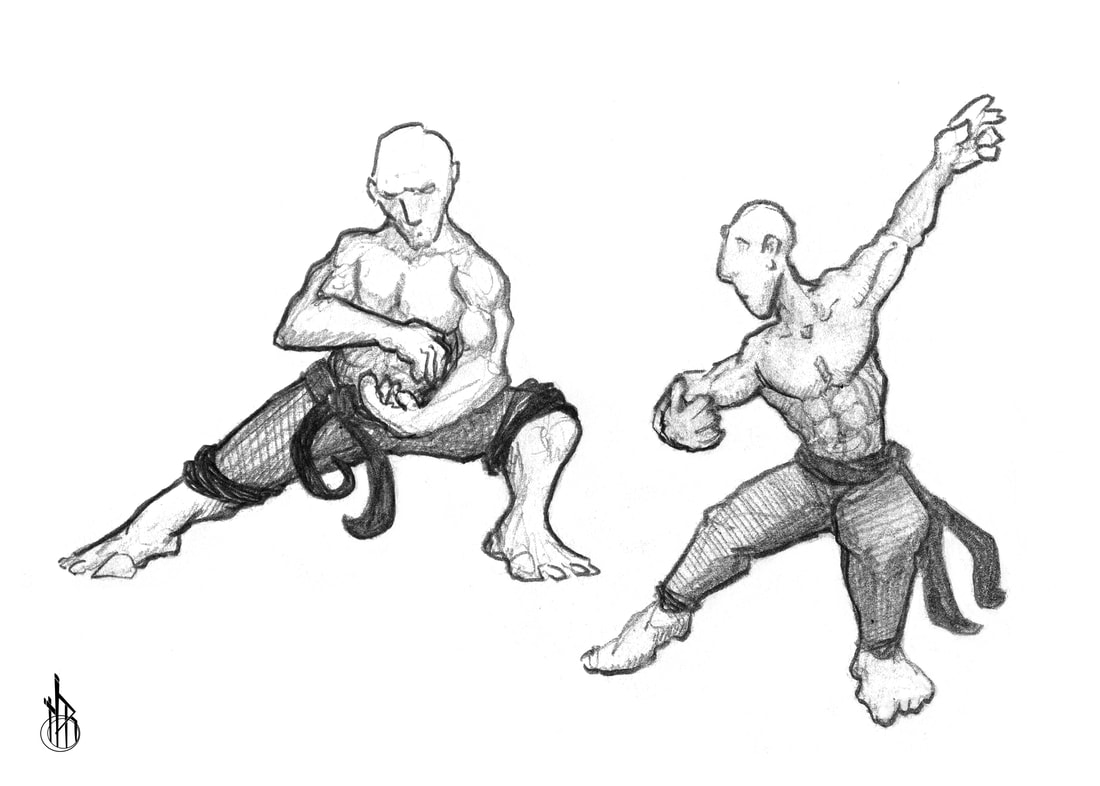
In an effort to improve my work and my processes, I have been returning to old sketches and adding to them with new iterations and expanded designs. These sketches are a blend of actual pencil and digital pencil done in Clip Studio Paint. I am hoping to develop the ability to blend the two mediums as seamlessly as I can for various approaches to the design process. I think these sets turned out really cool. I love woodland creatures and animal amalgamations. I hope you enjoy them as much as I do, and perhaps they will inspire you in some way. Be wise, be well. -NR
0 Comments
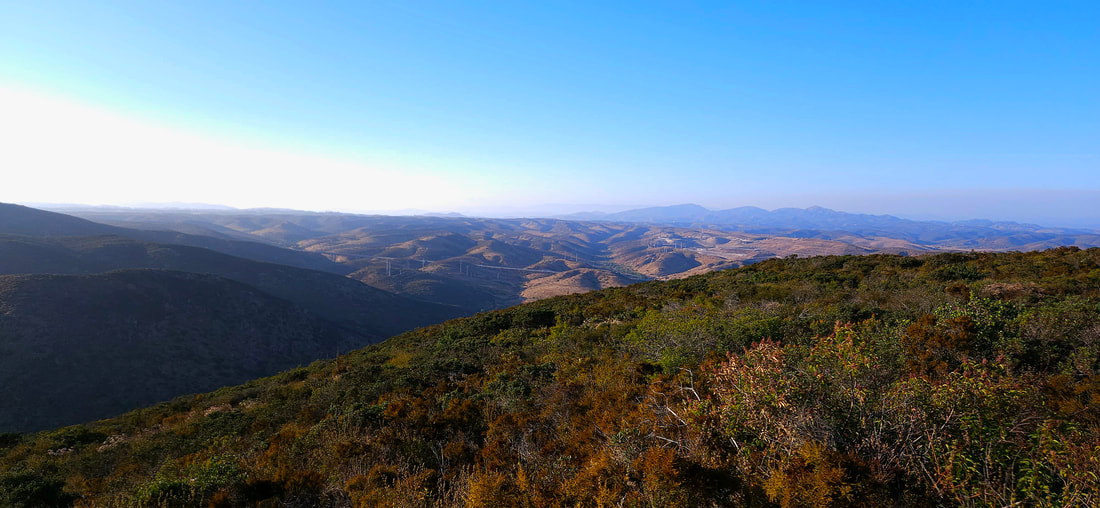
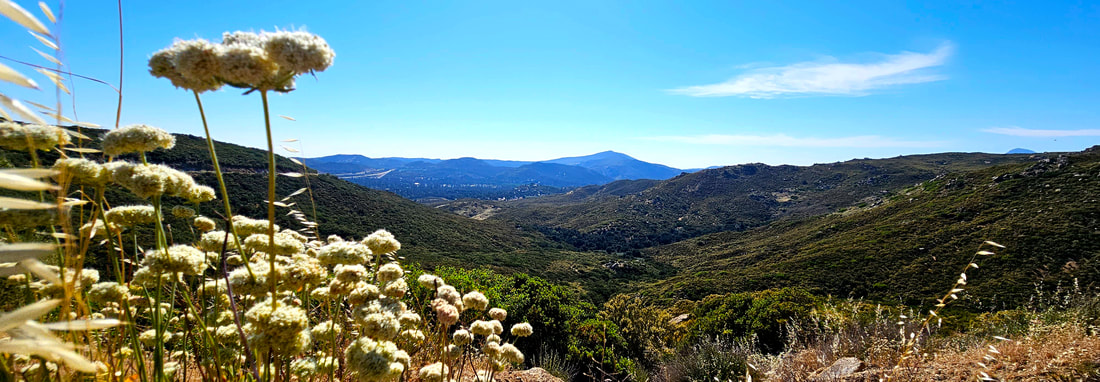
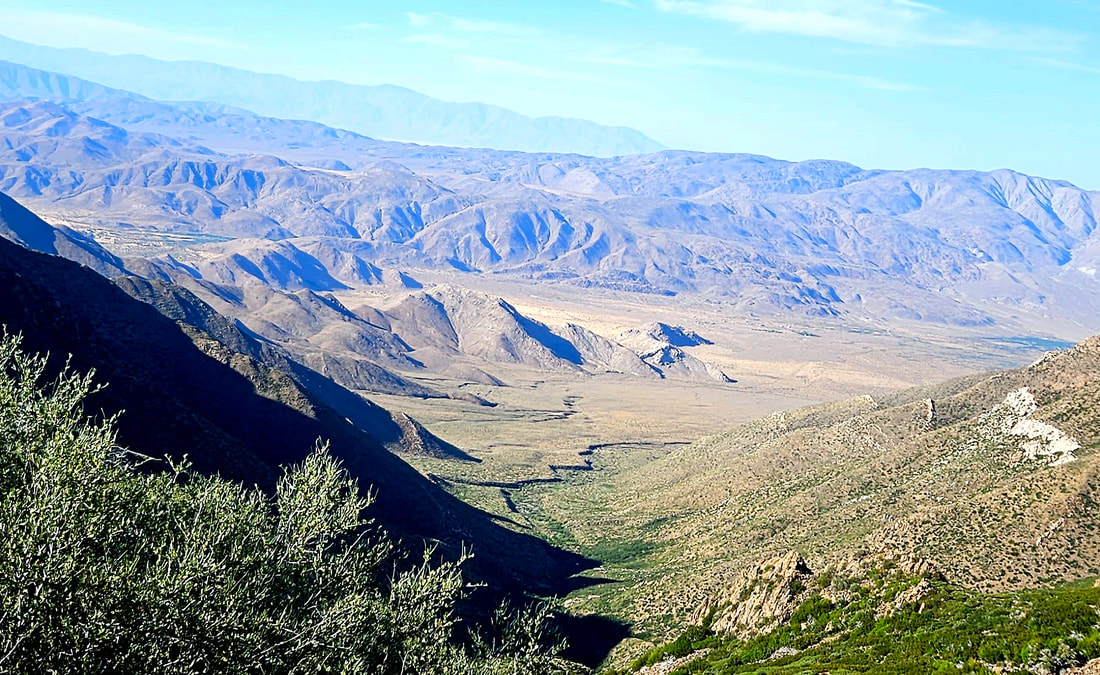
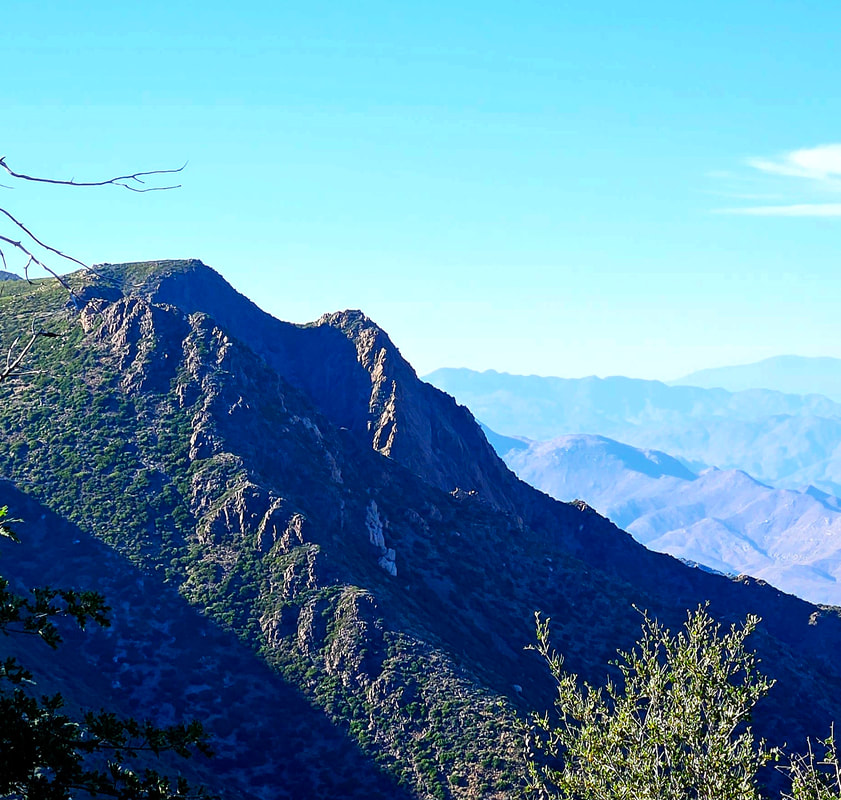
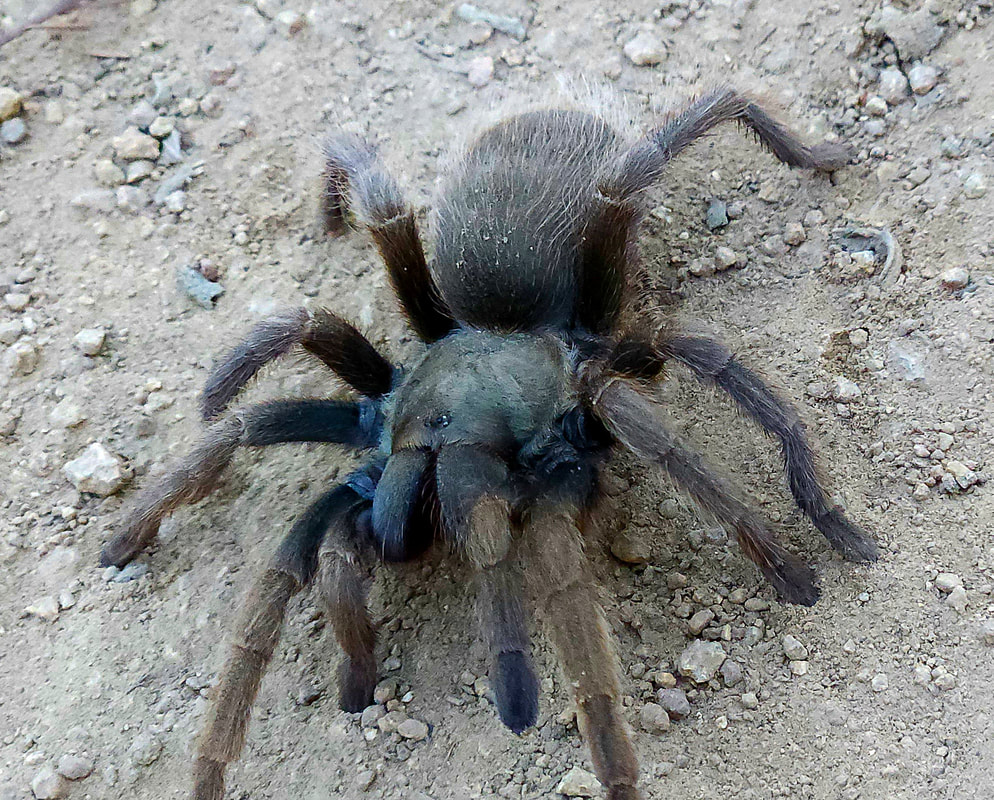
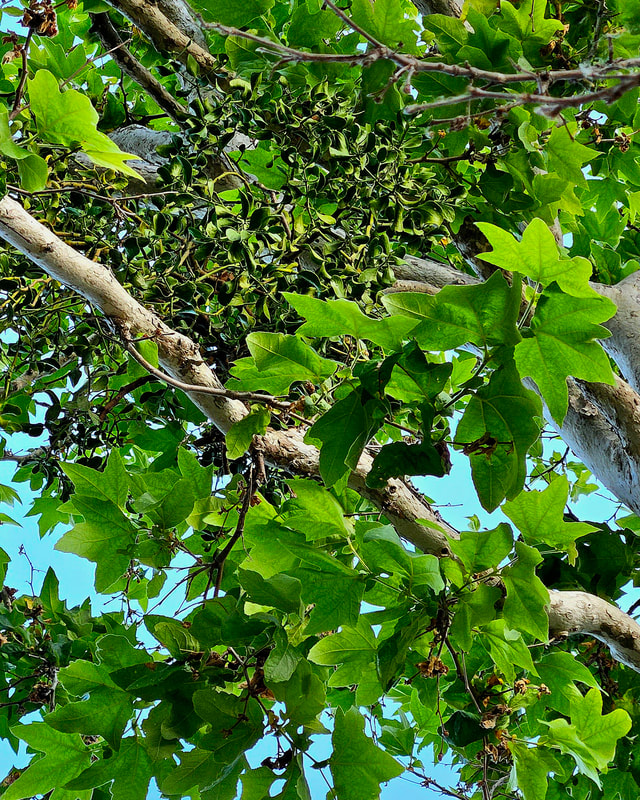
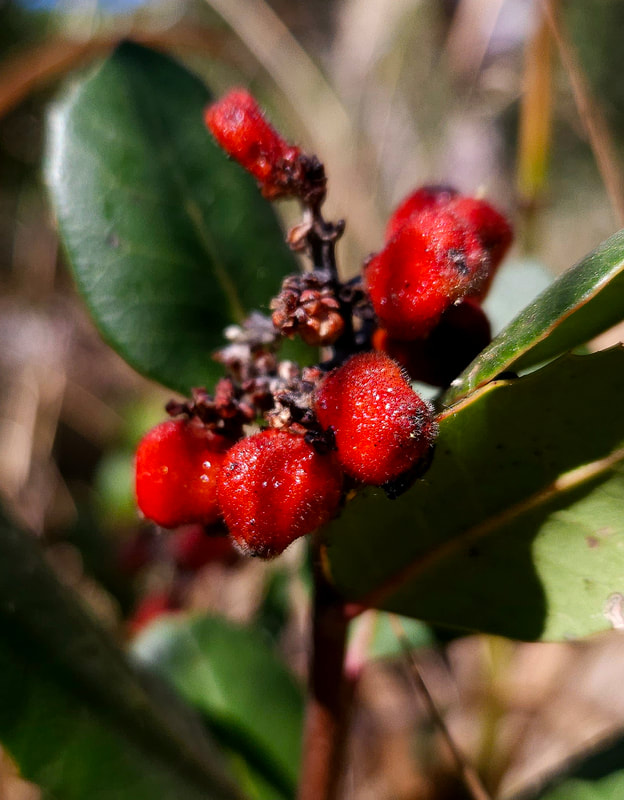
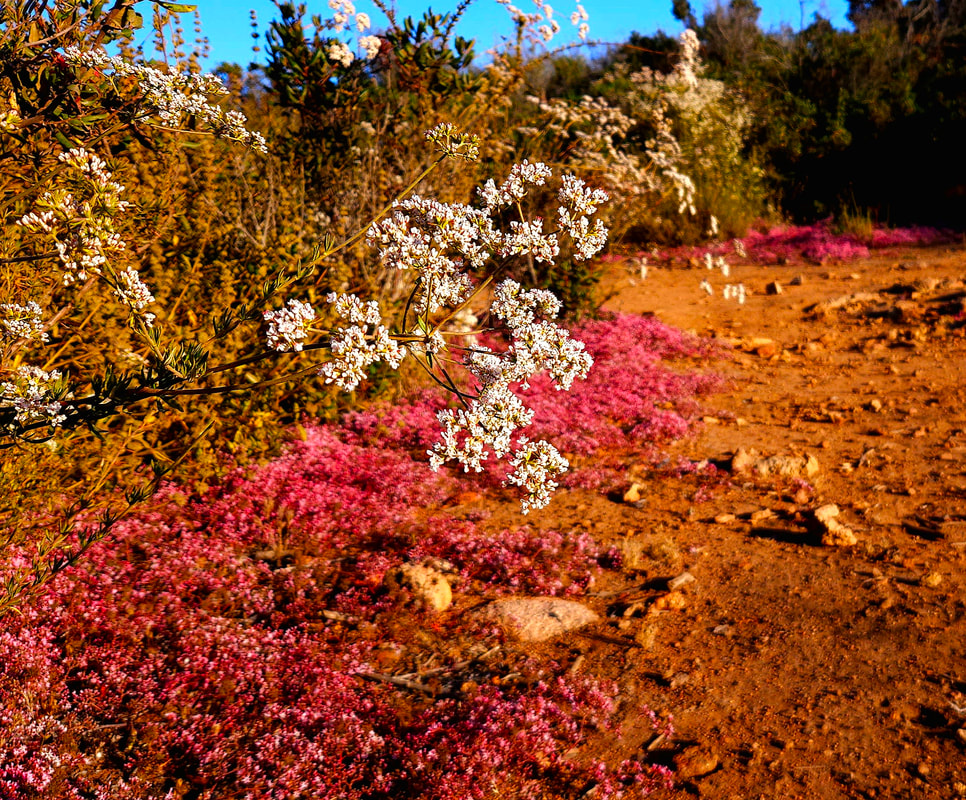
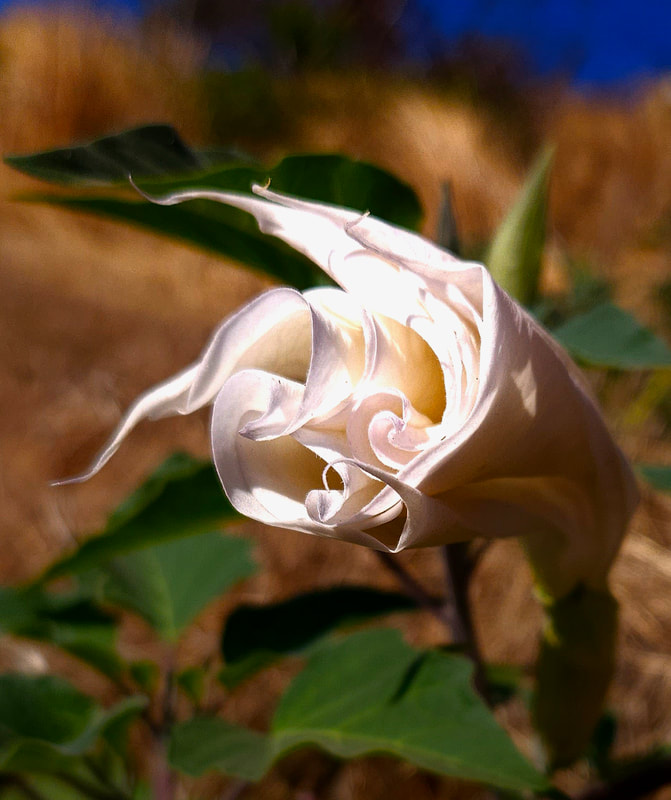
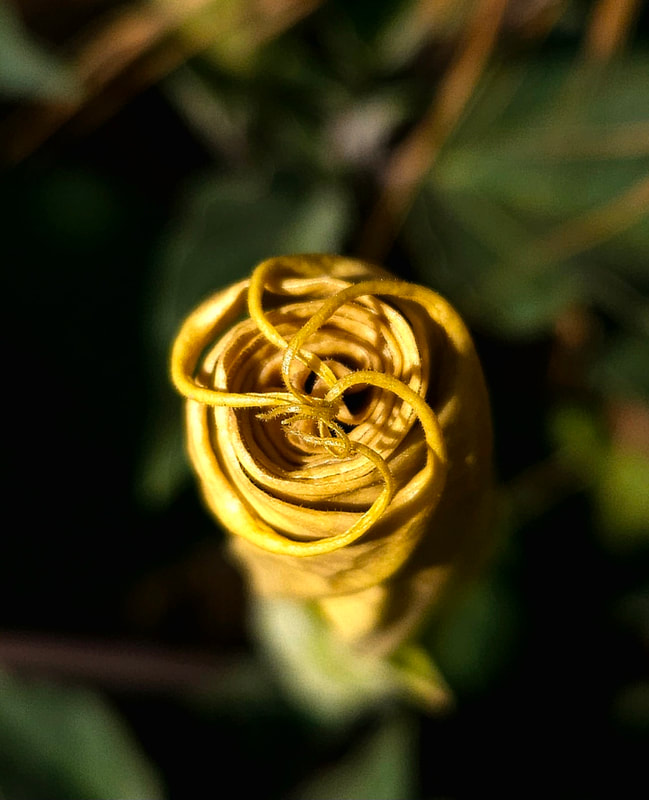
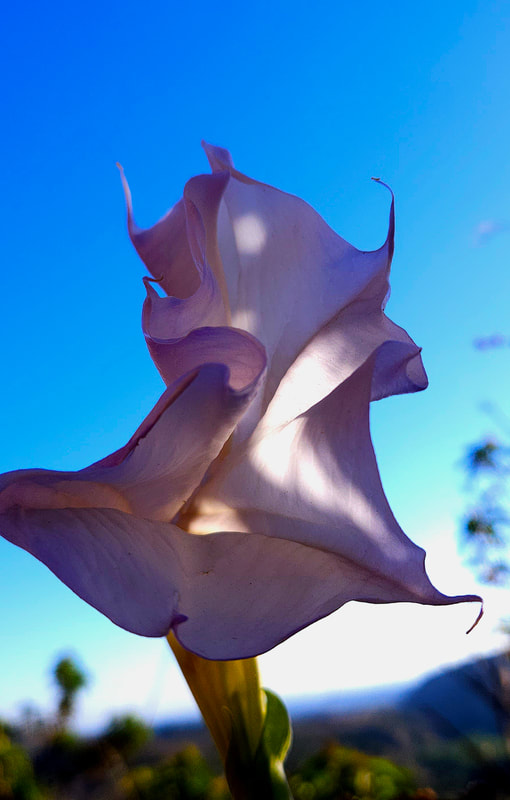
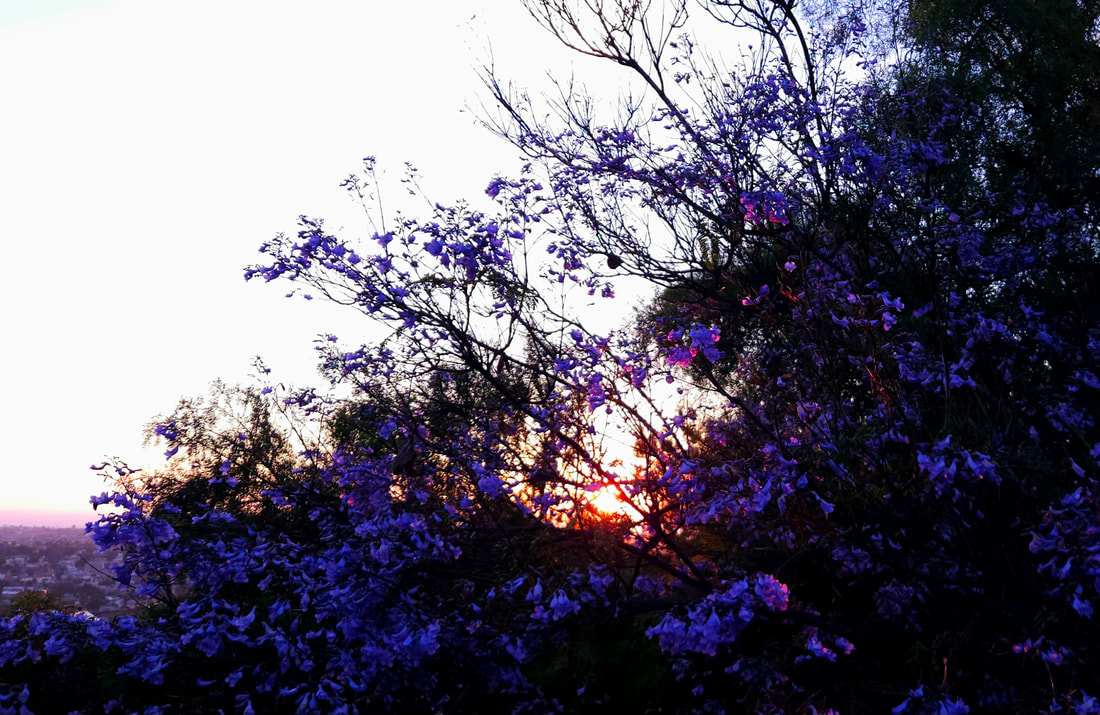
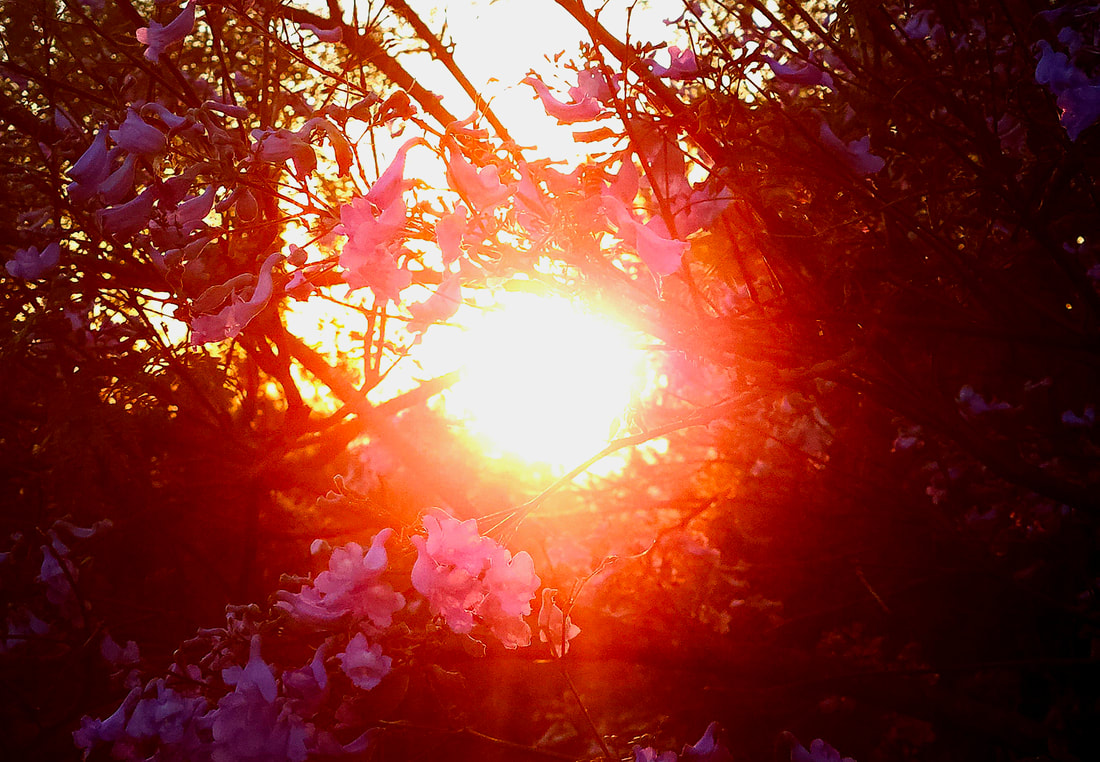
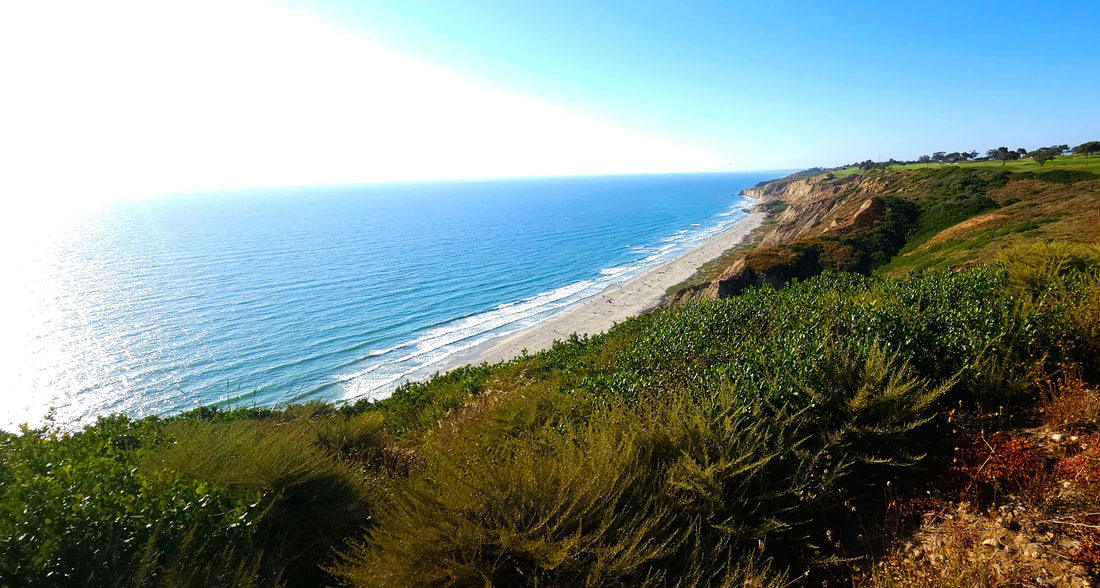
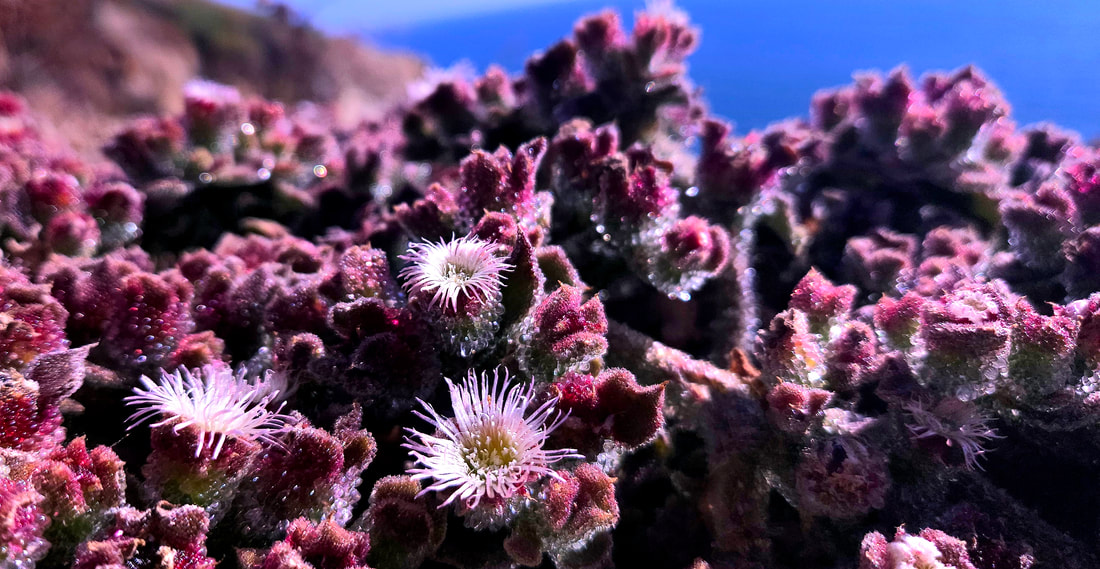
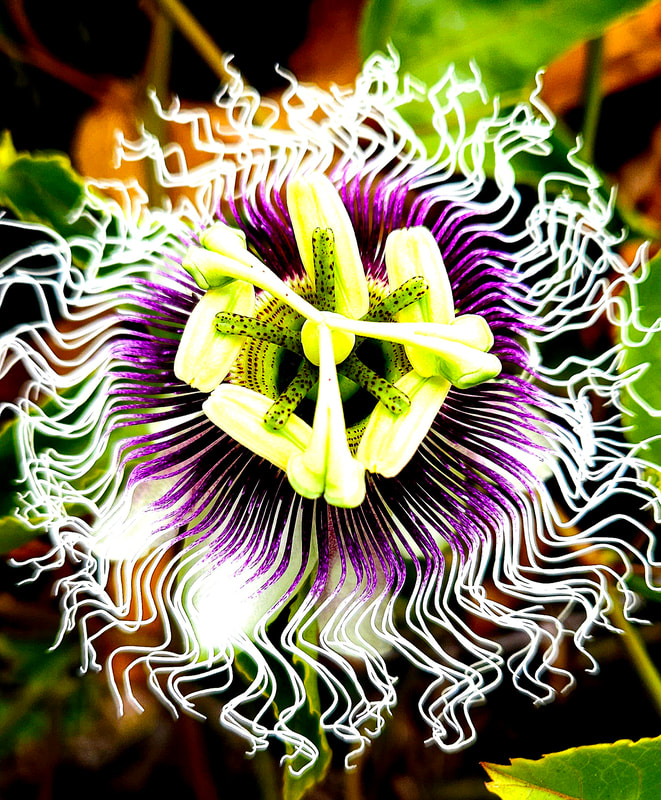
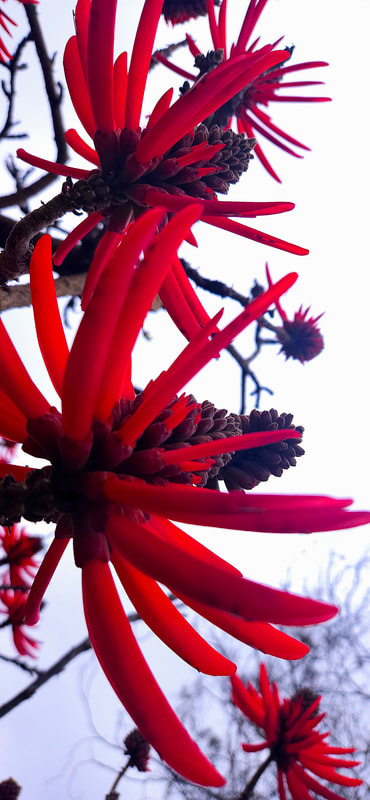
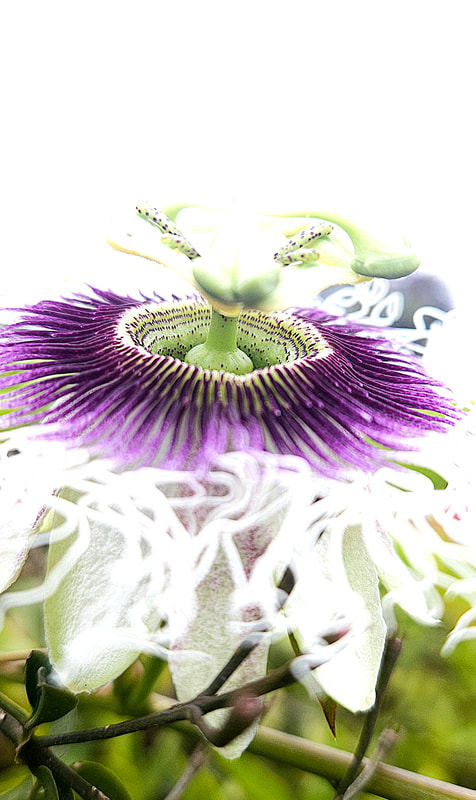
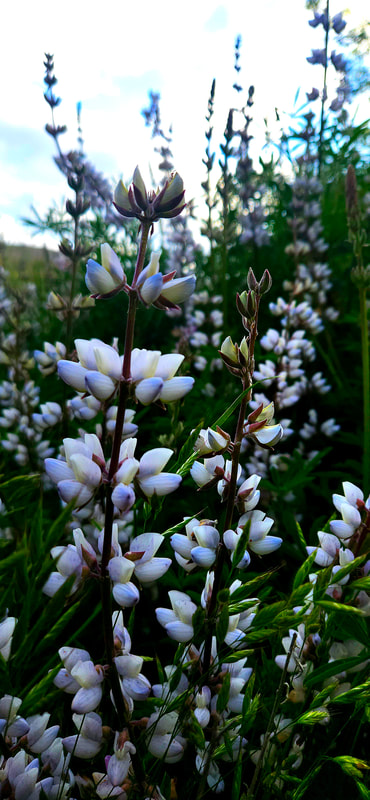
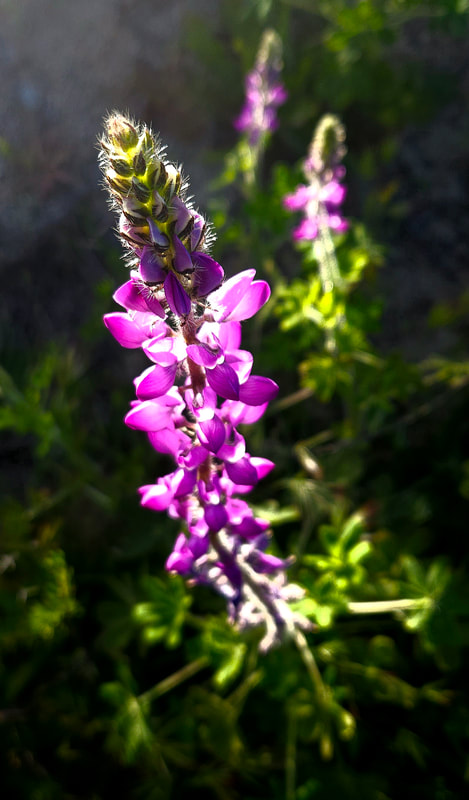
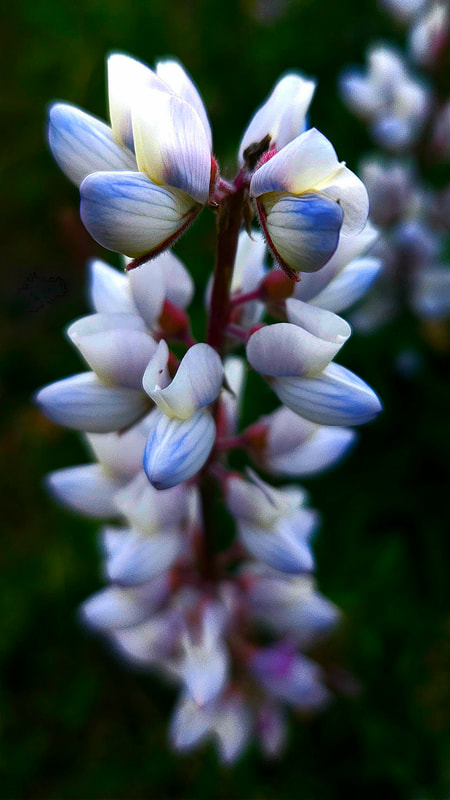
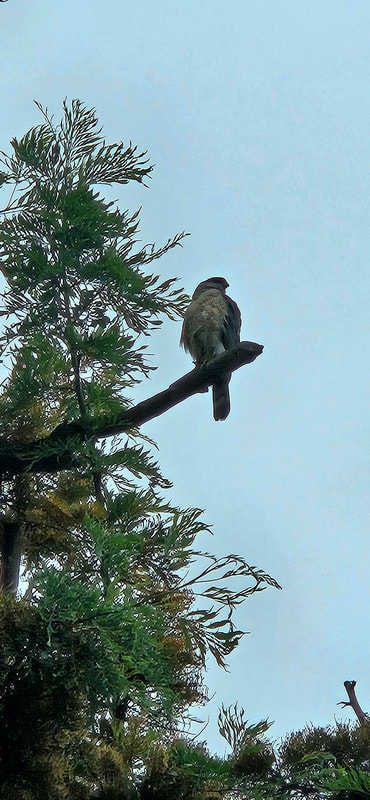
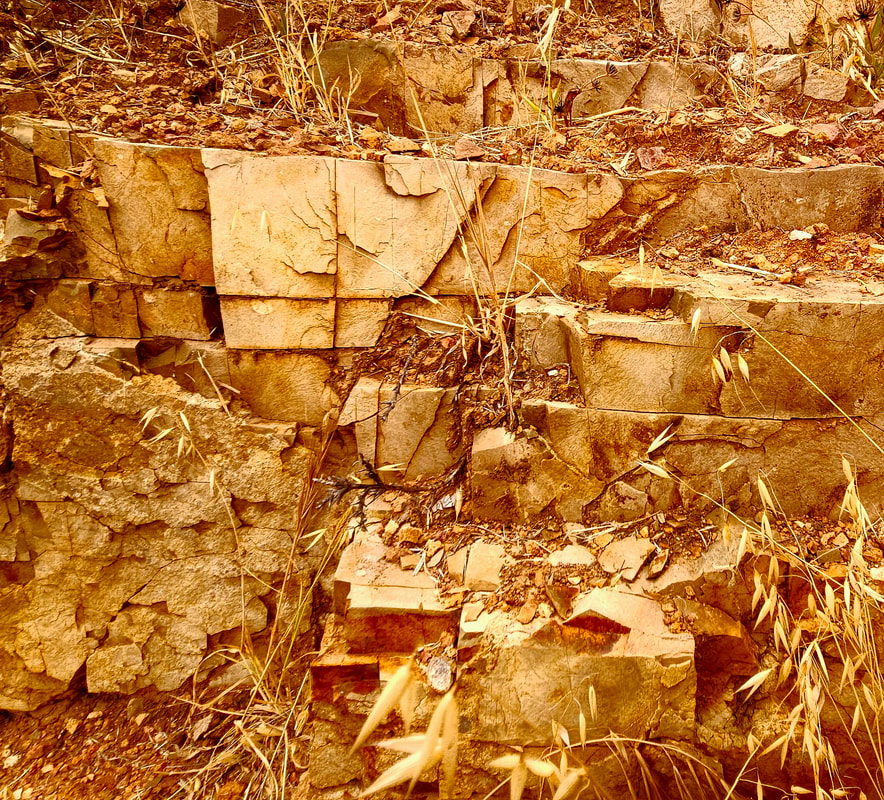
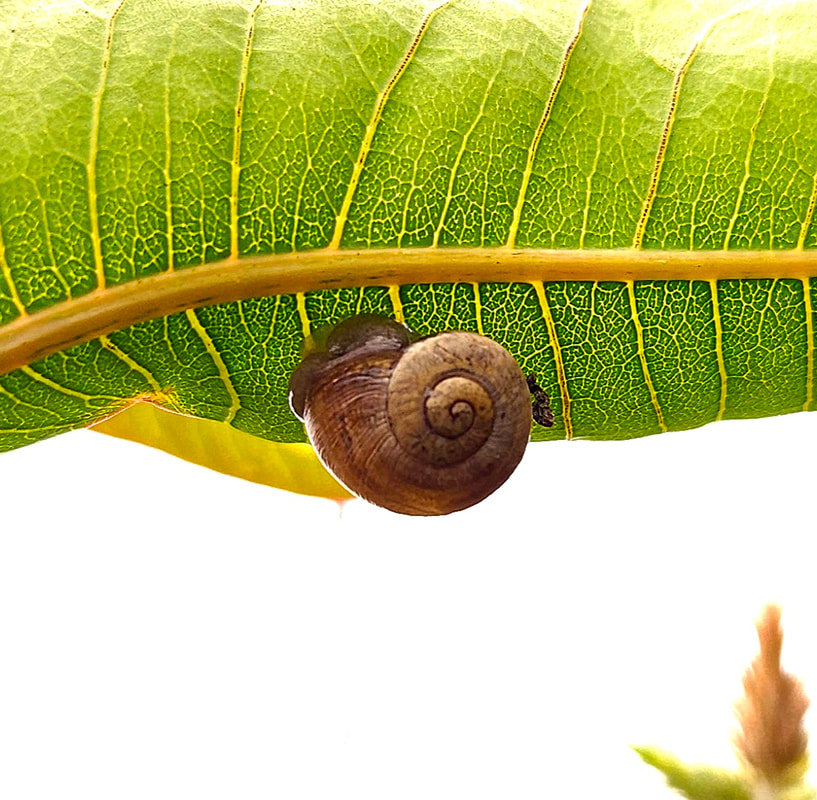
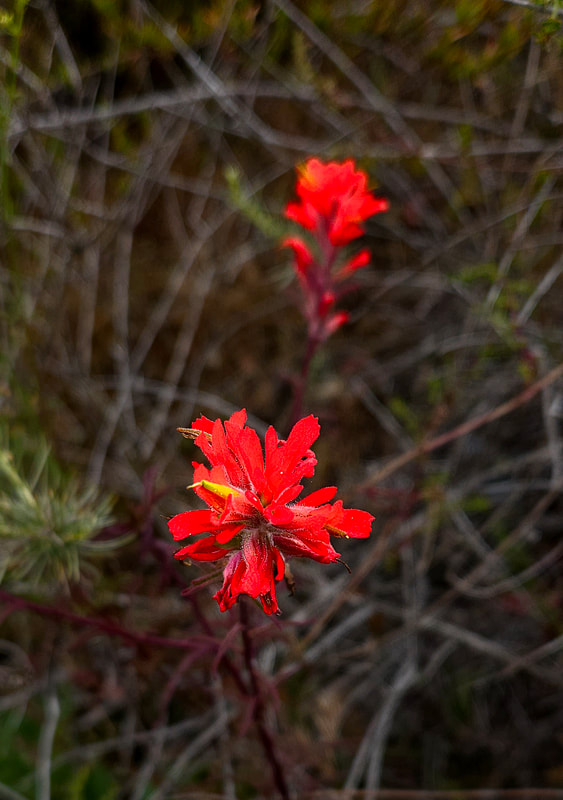
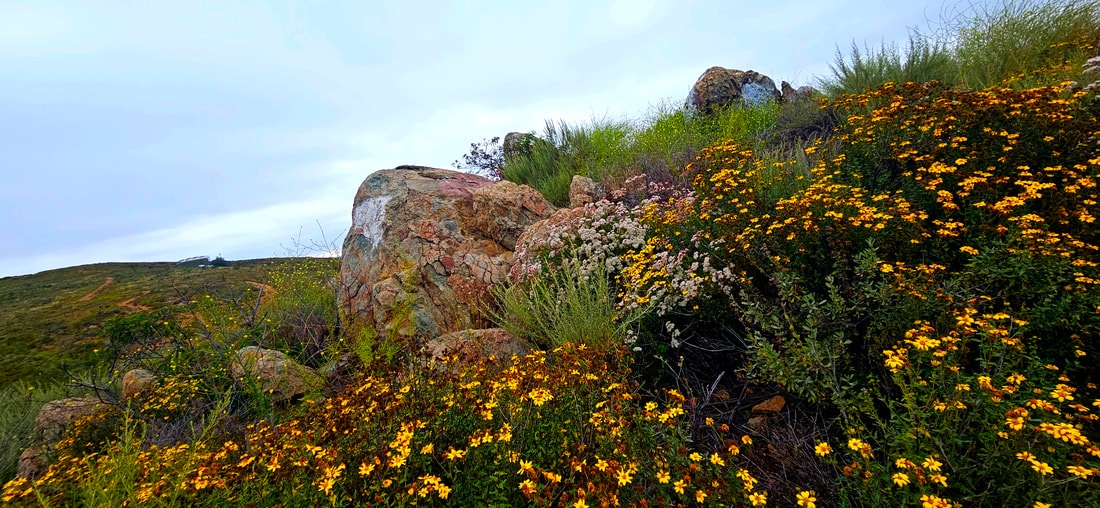
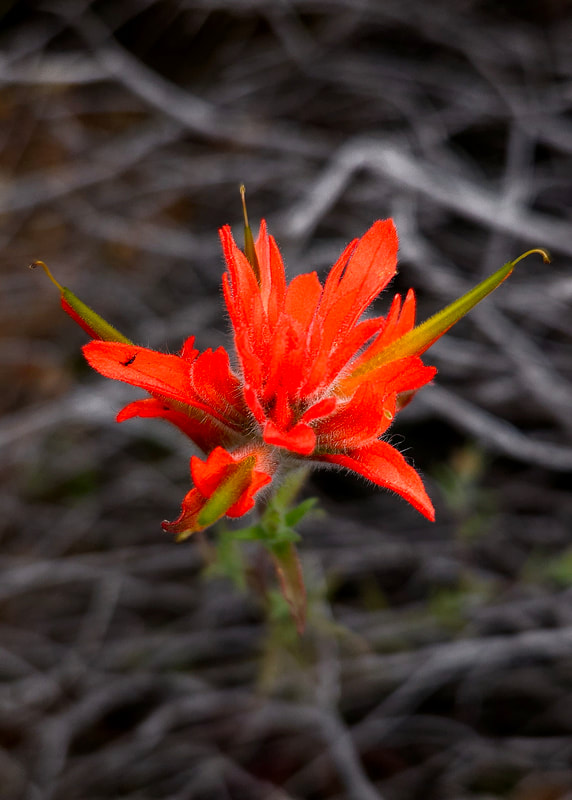
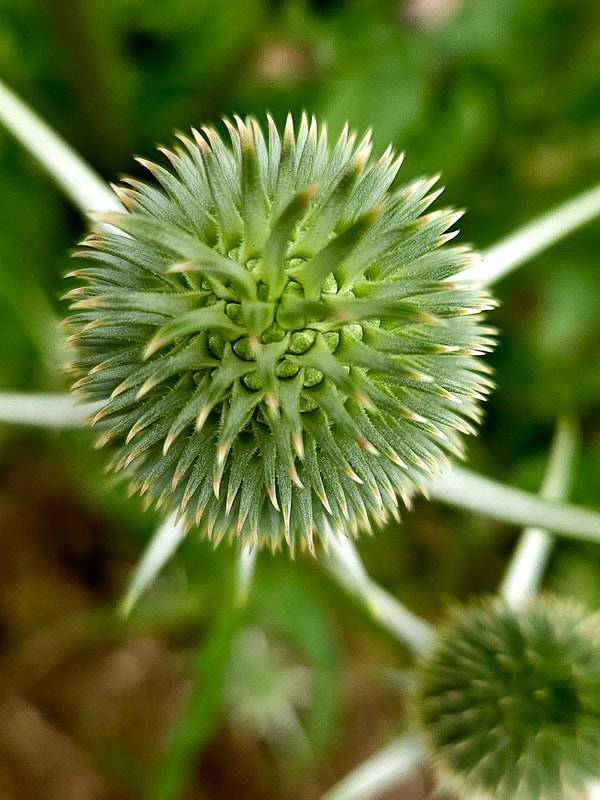
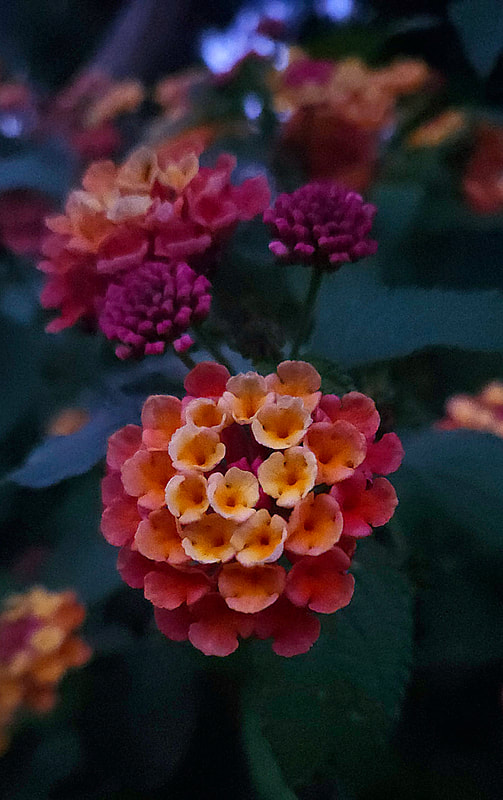
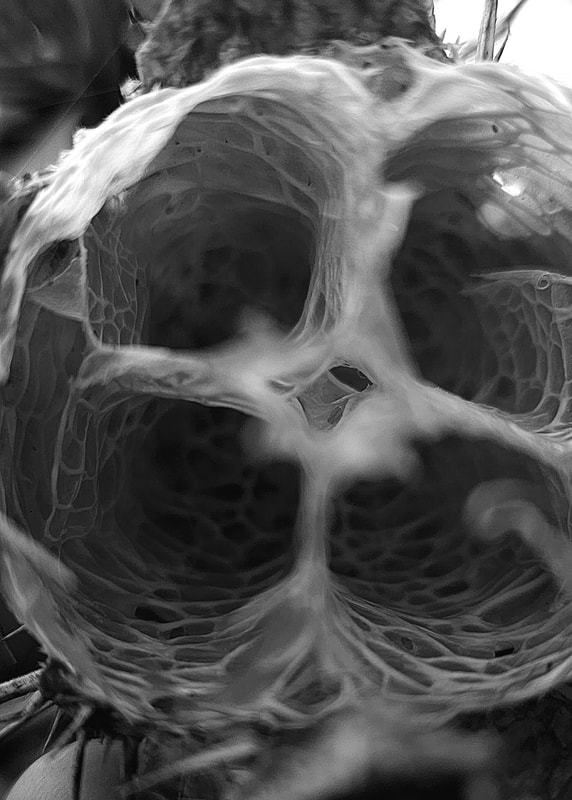
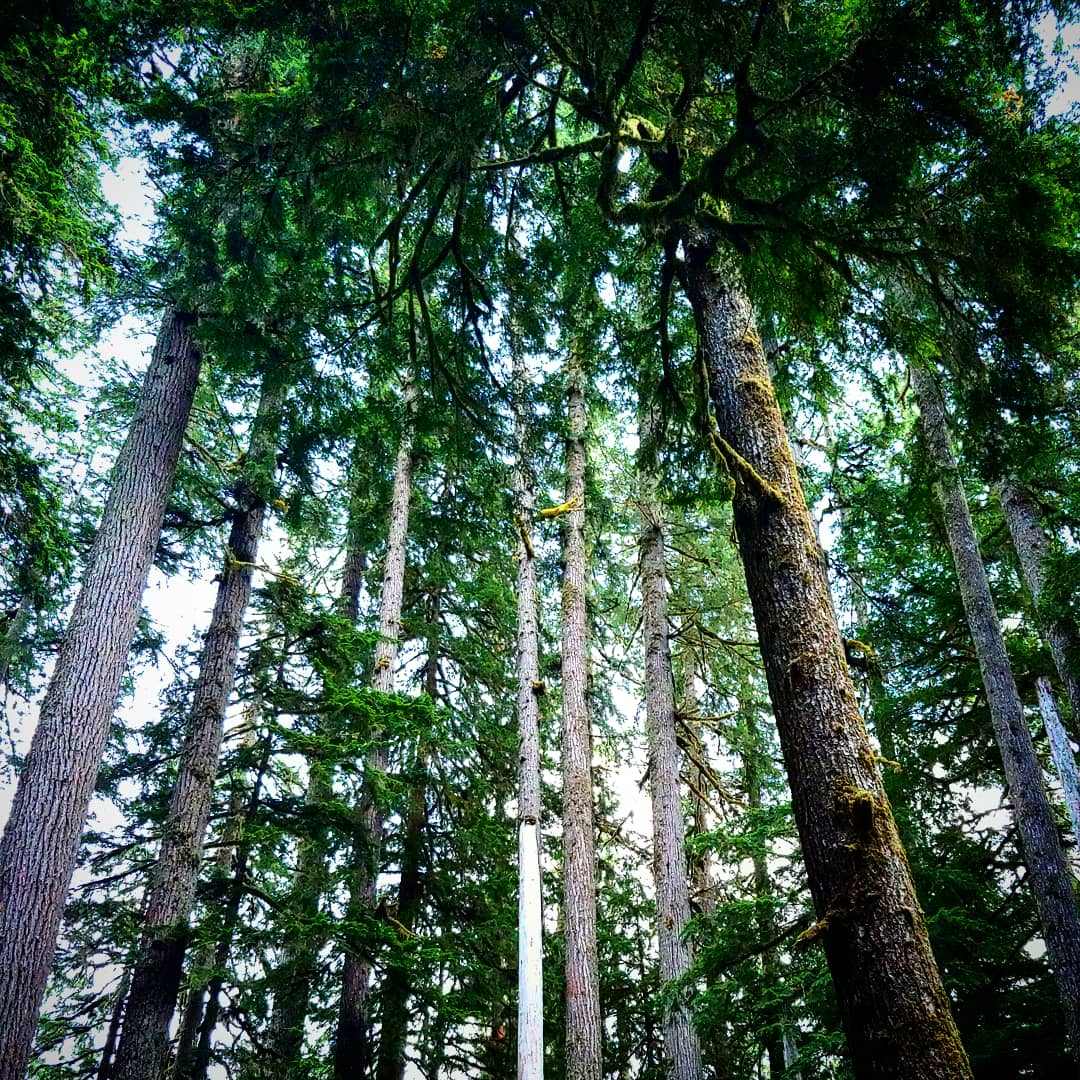
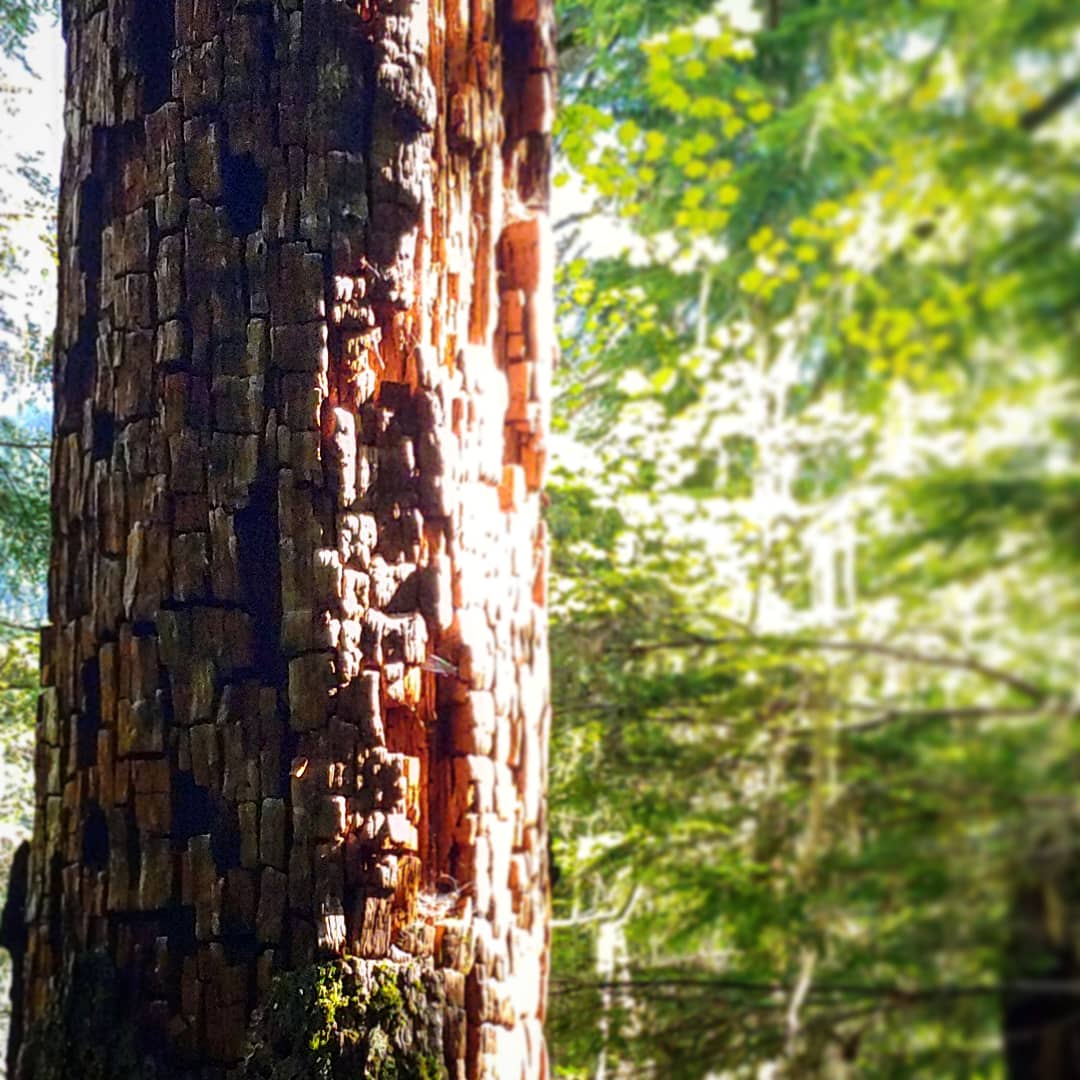
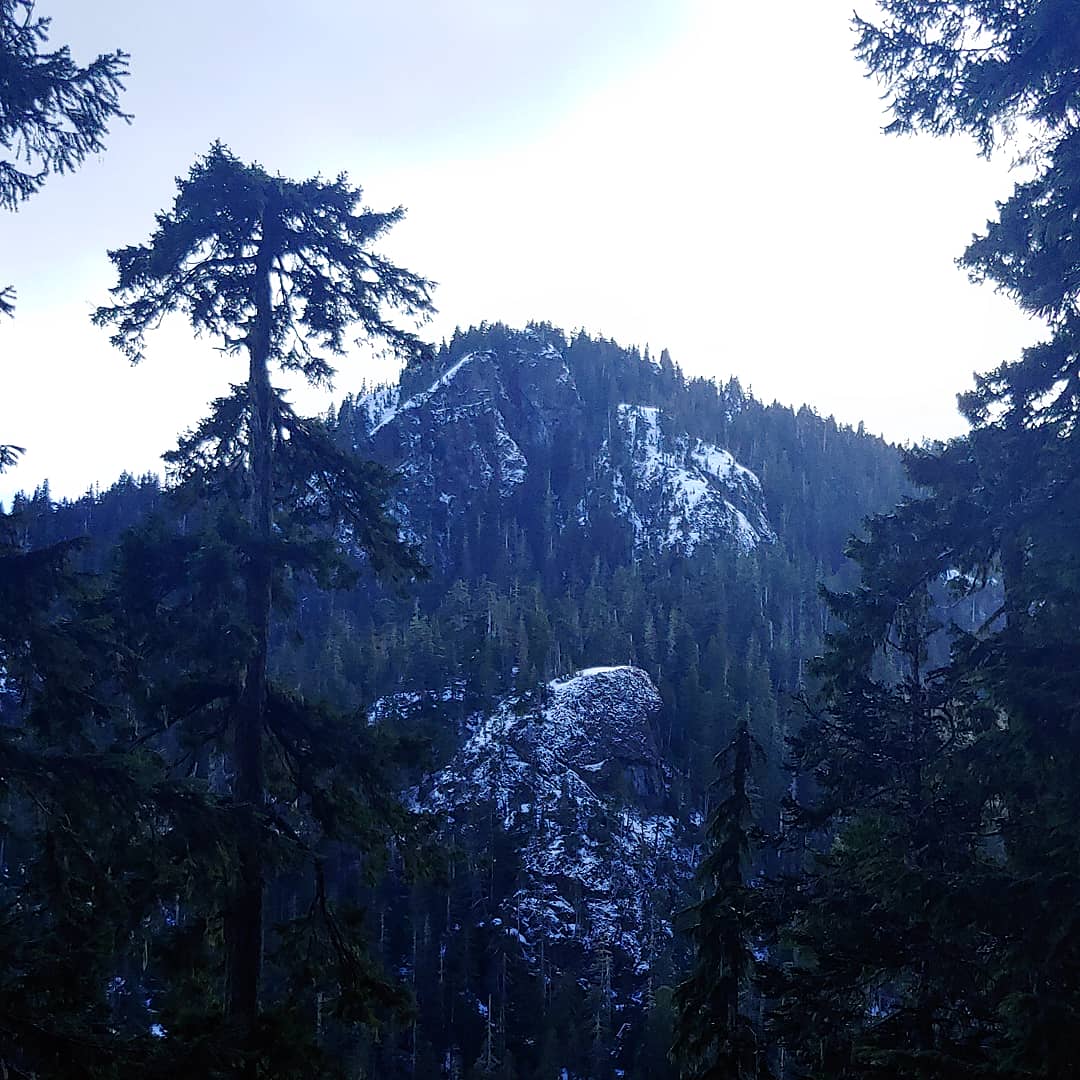
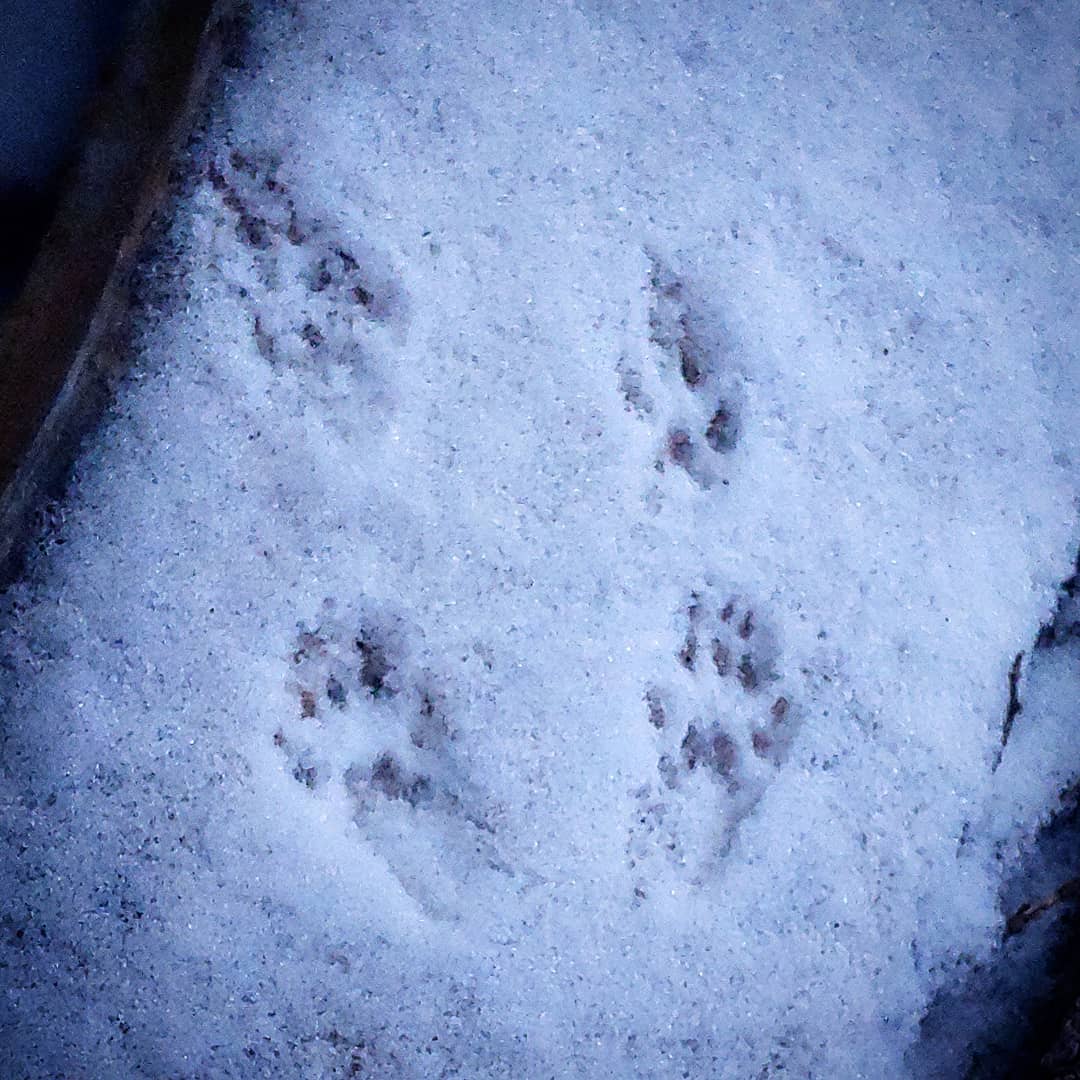
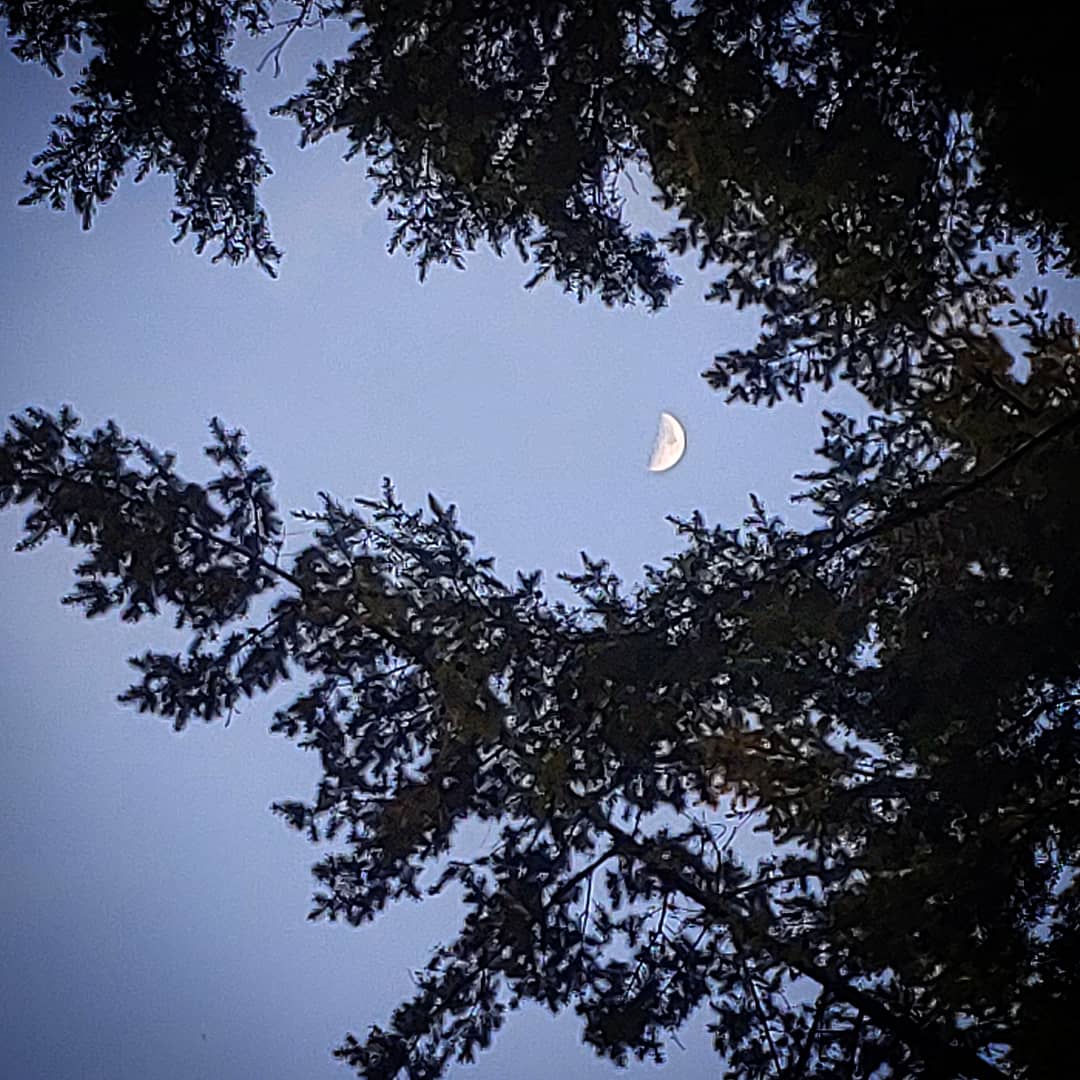
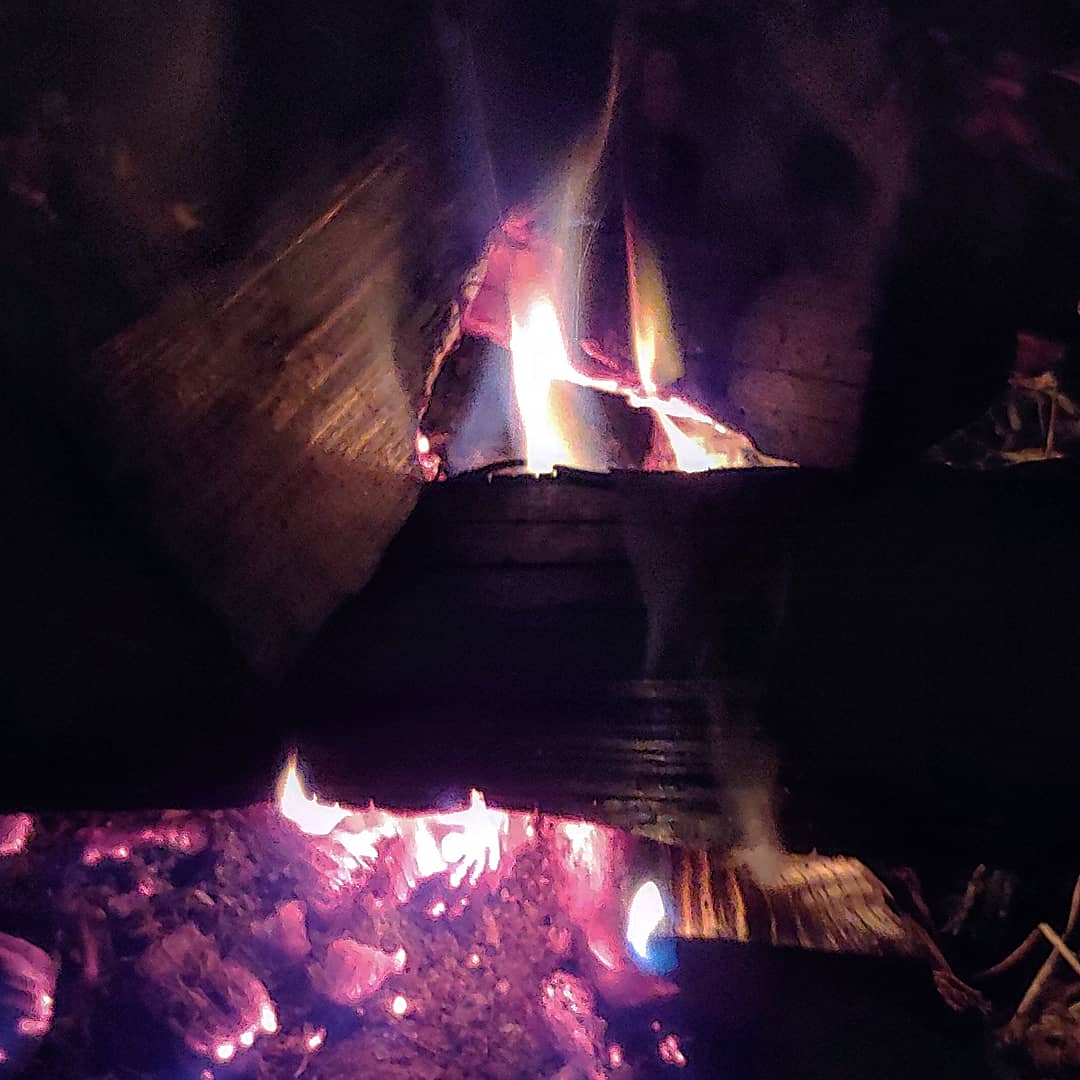
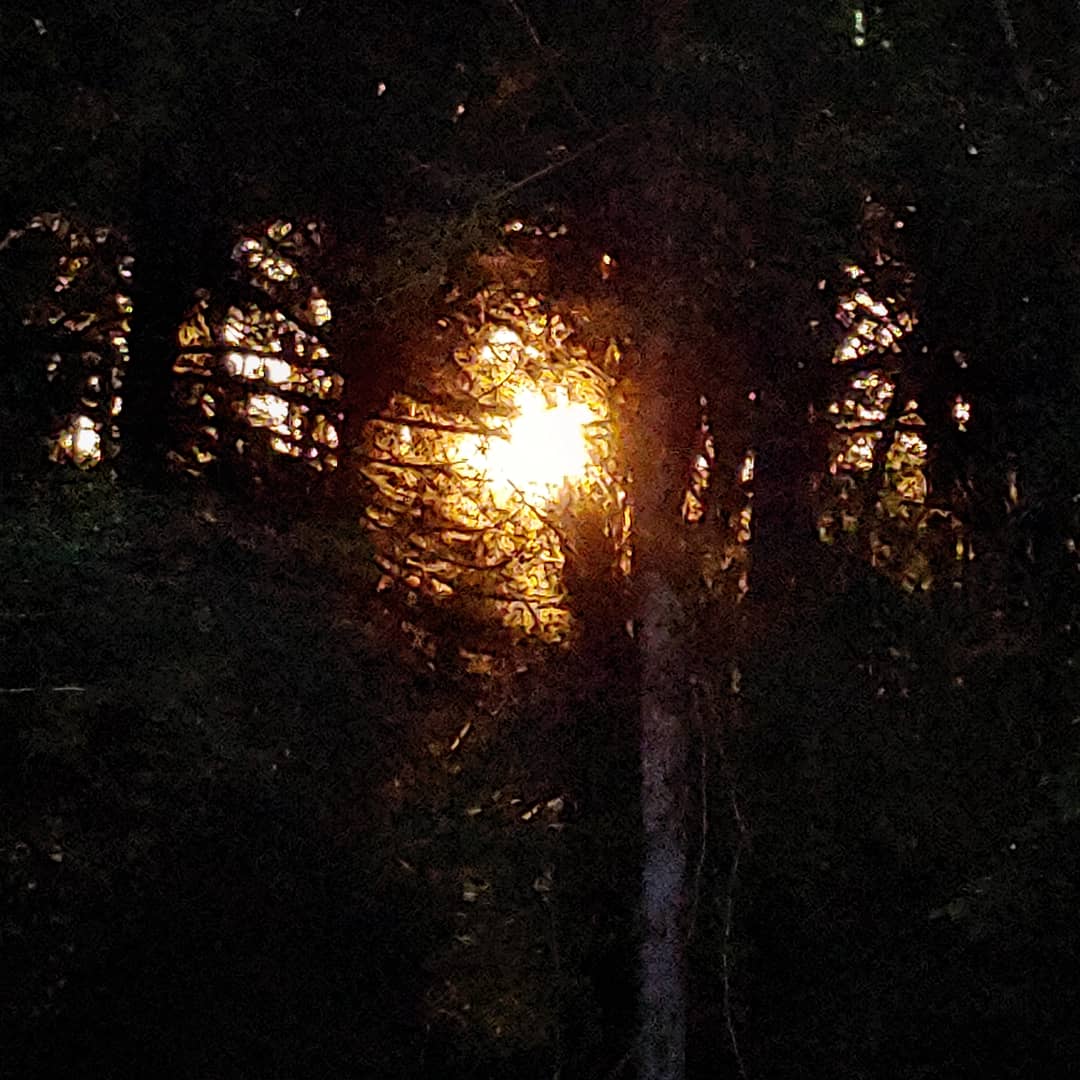
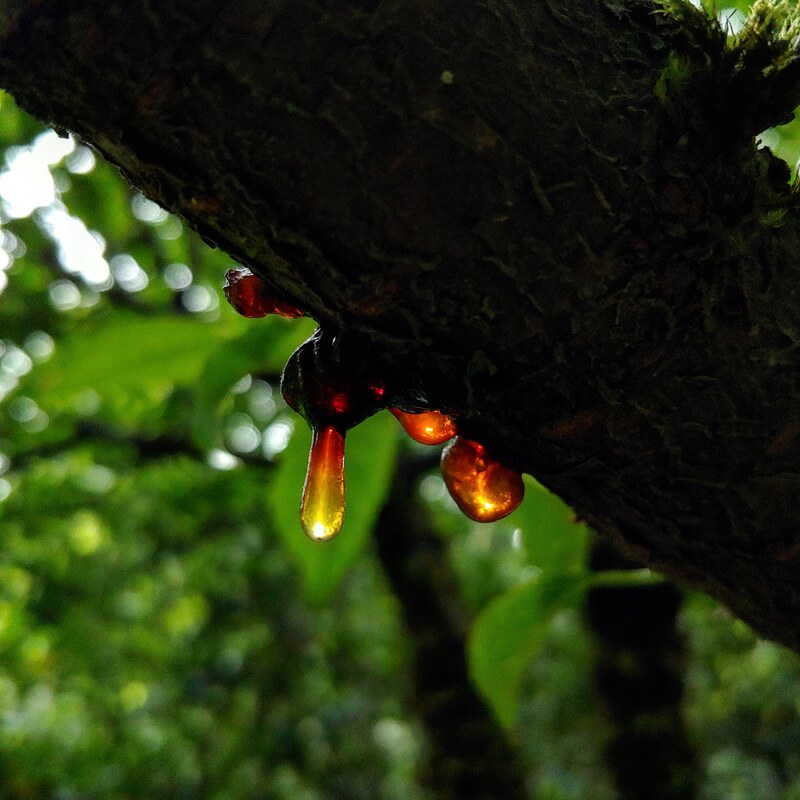
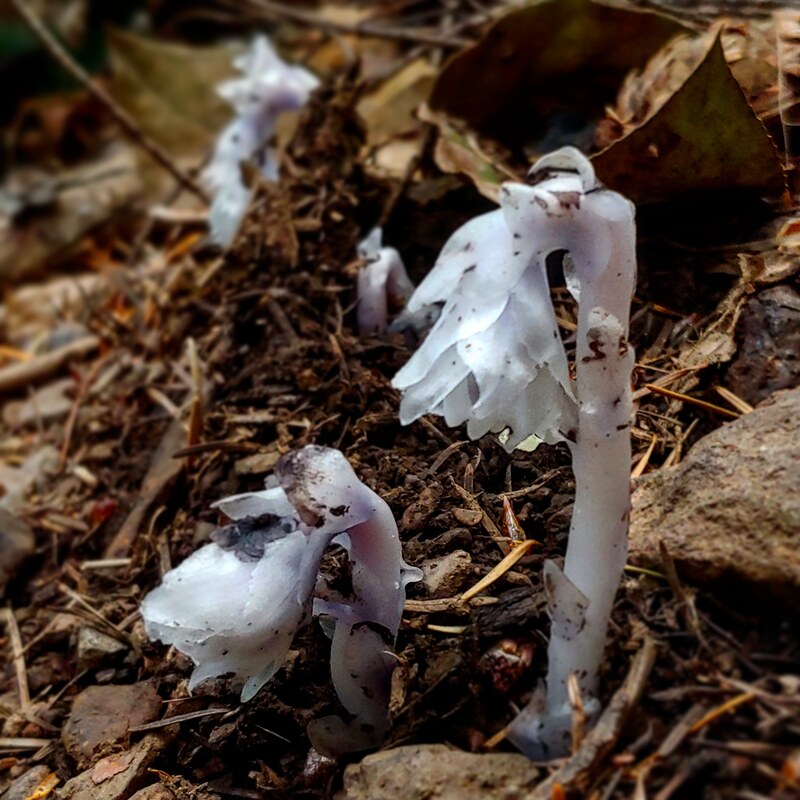
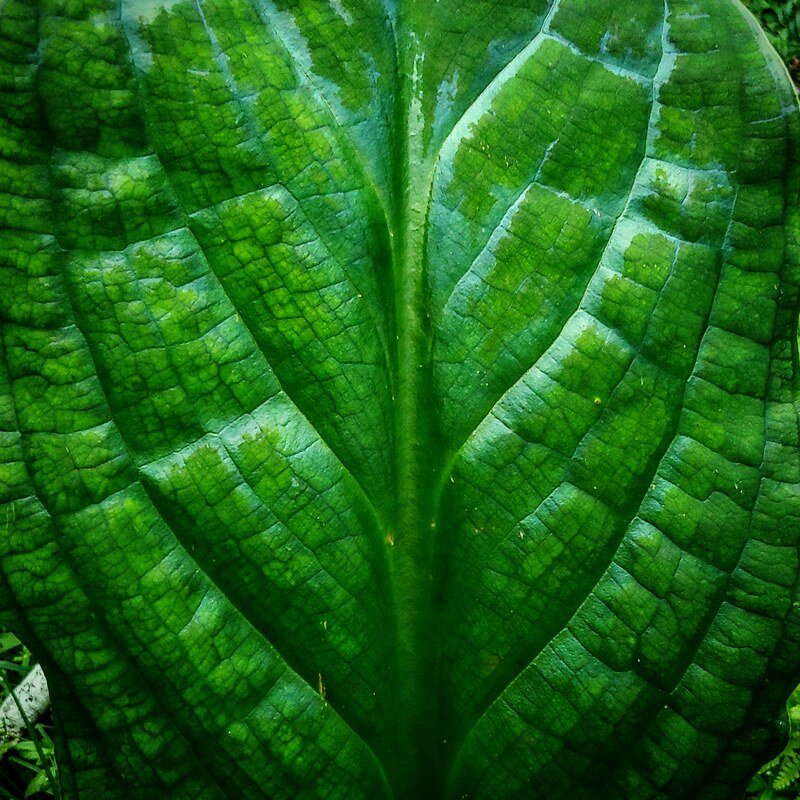
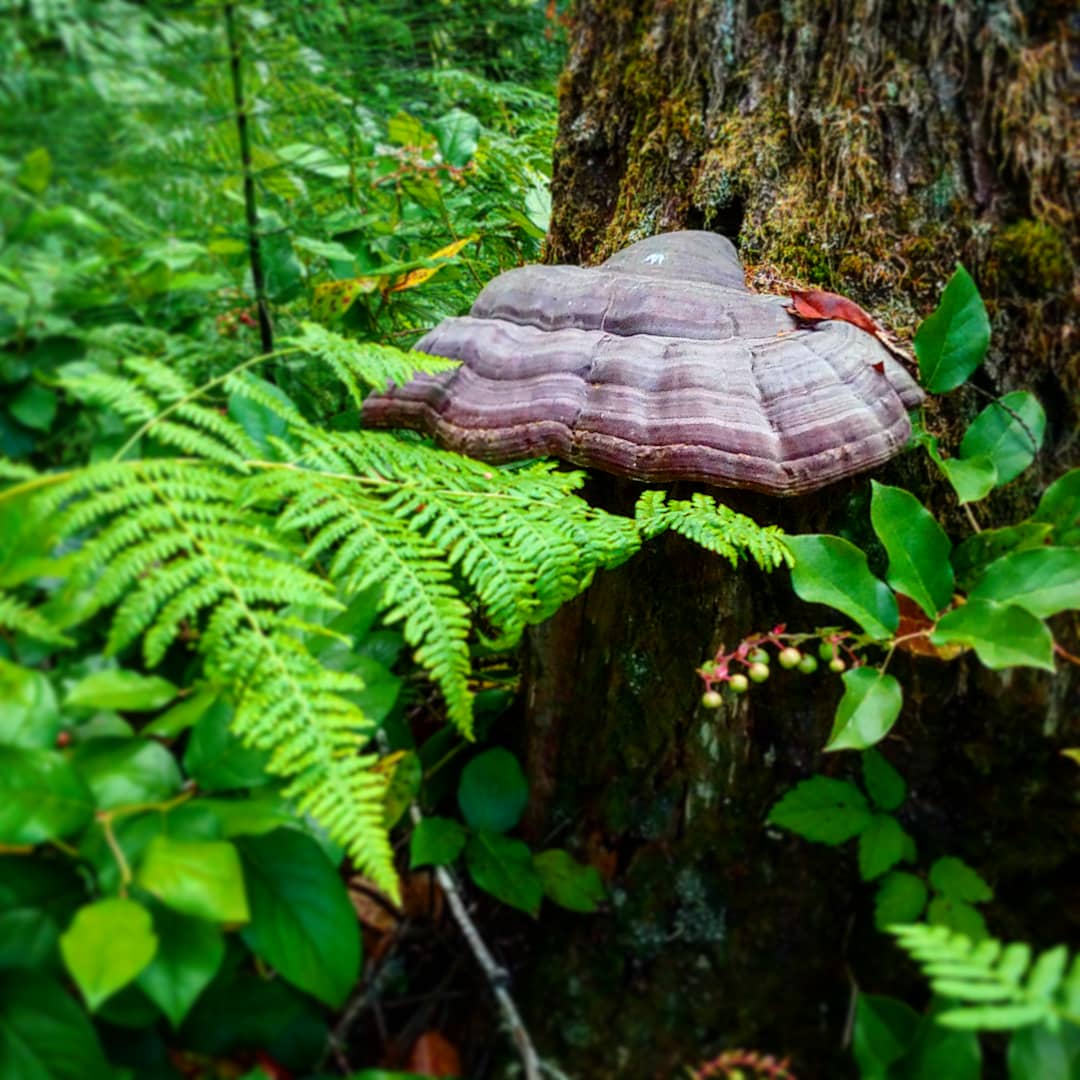
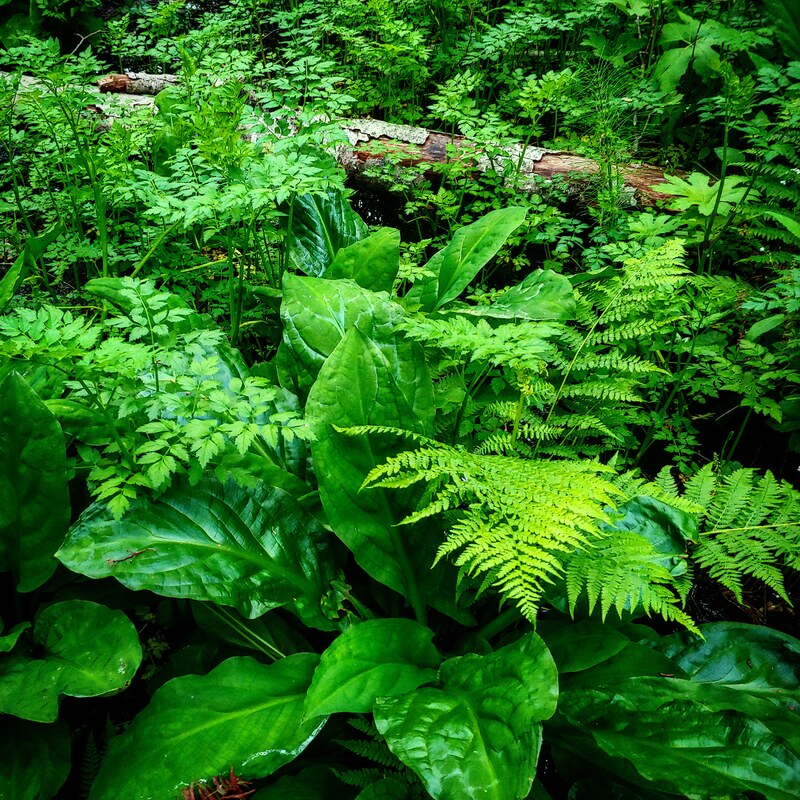
Got lucky recently and was able to wander a little. I thought I'd share the views. I hope you get to explore as you'd like to, sooner than later, and more than you thought was possible. Wander wisely and enjoy. -NR
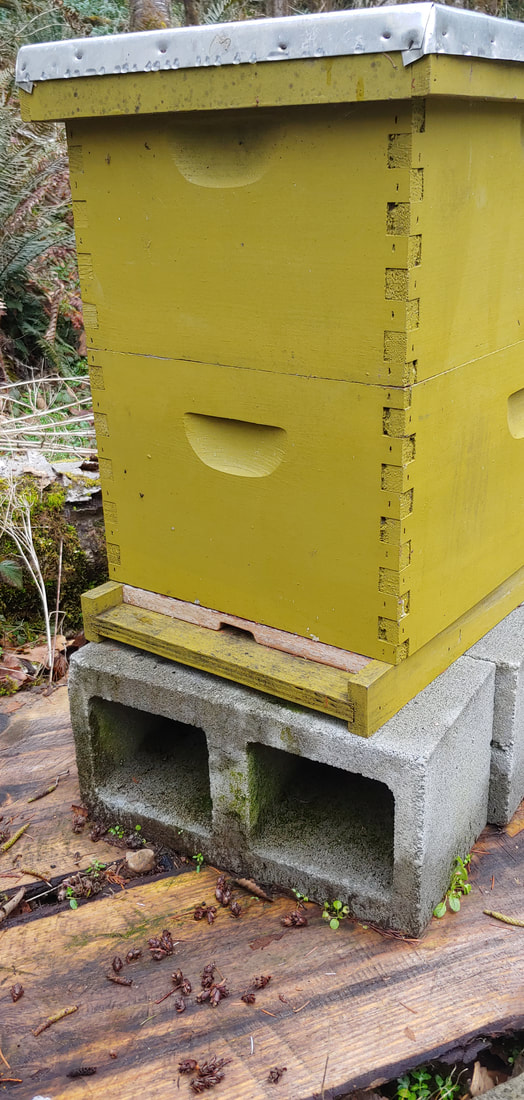
I wanted to use organic treatment options, and some reports were stating that varroa mites were developing resistance to the common Apivar treatment. I decided I would go with Apivar mite treatment for the hive's first year, then switch to herb oil deterrents, and a hop derived treatment the next spring if they survived the winter.
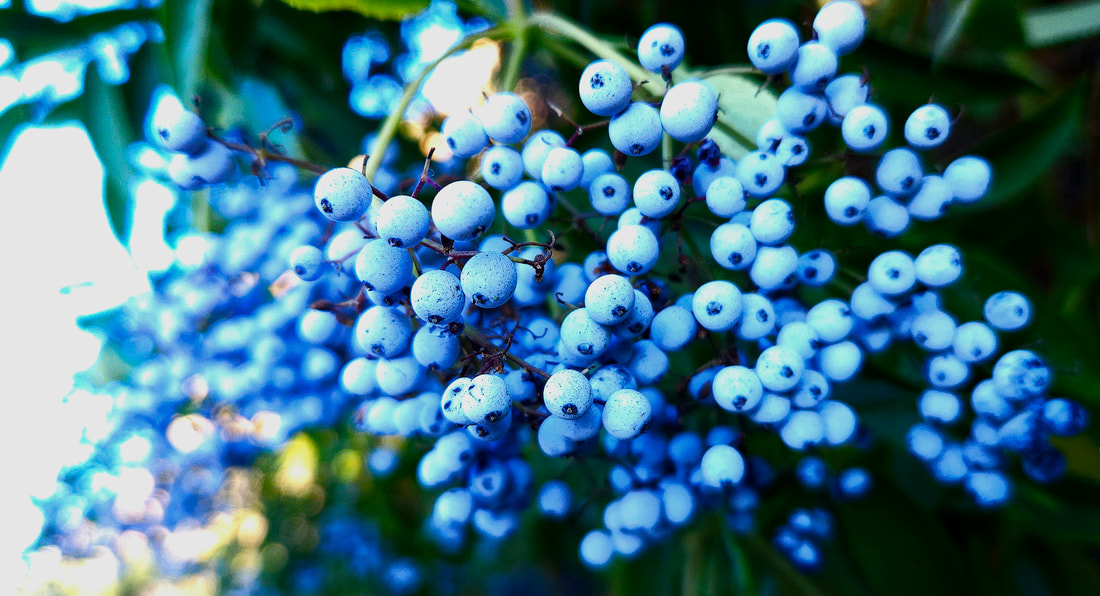
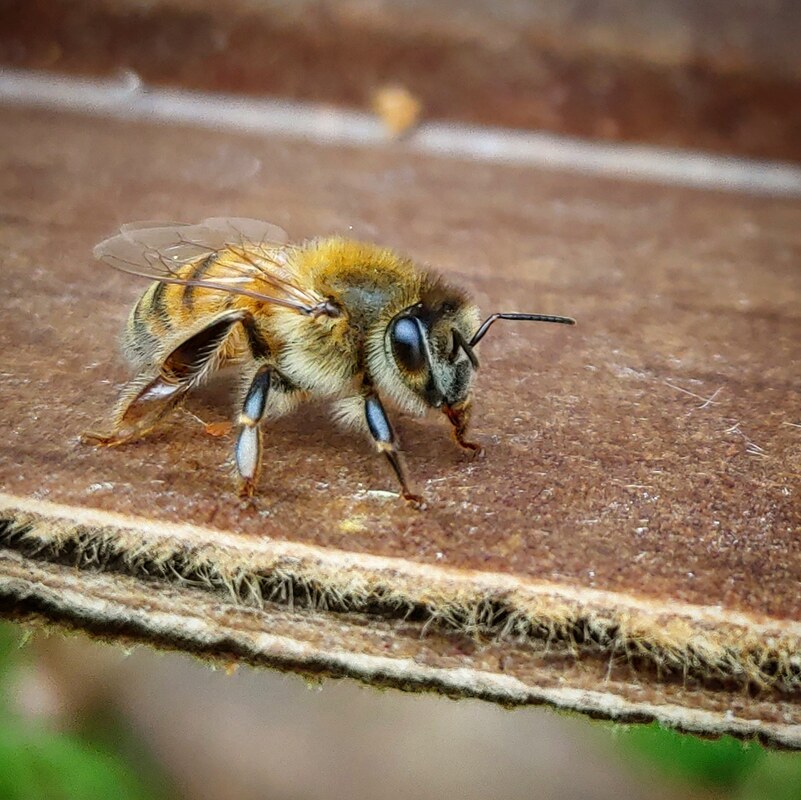
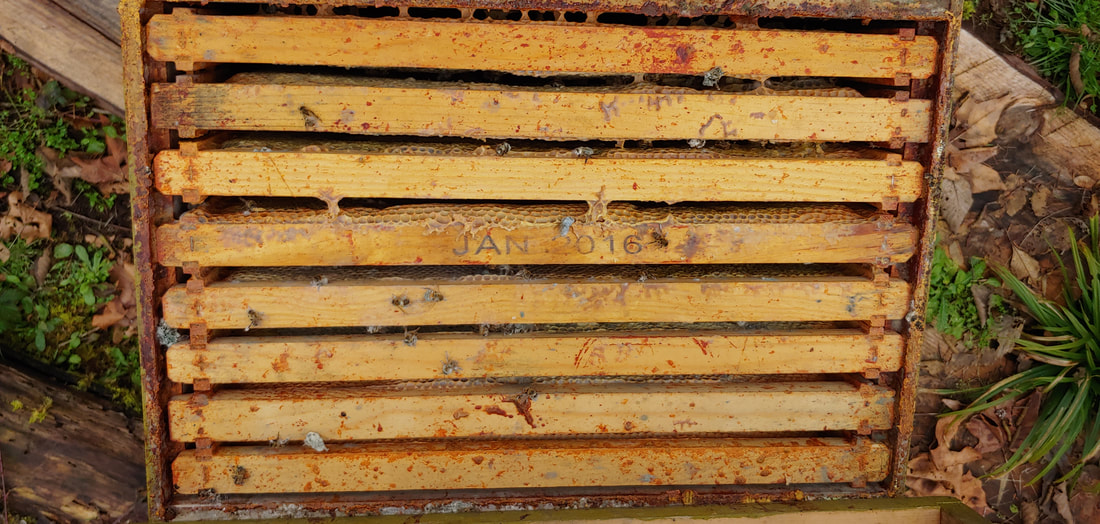
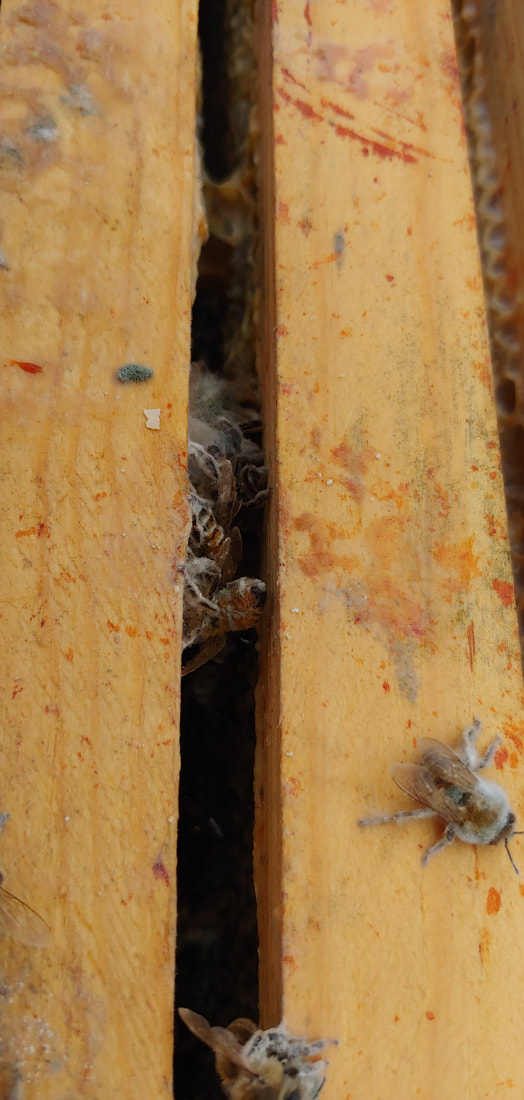
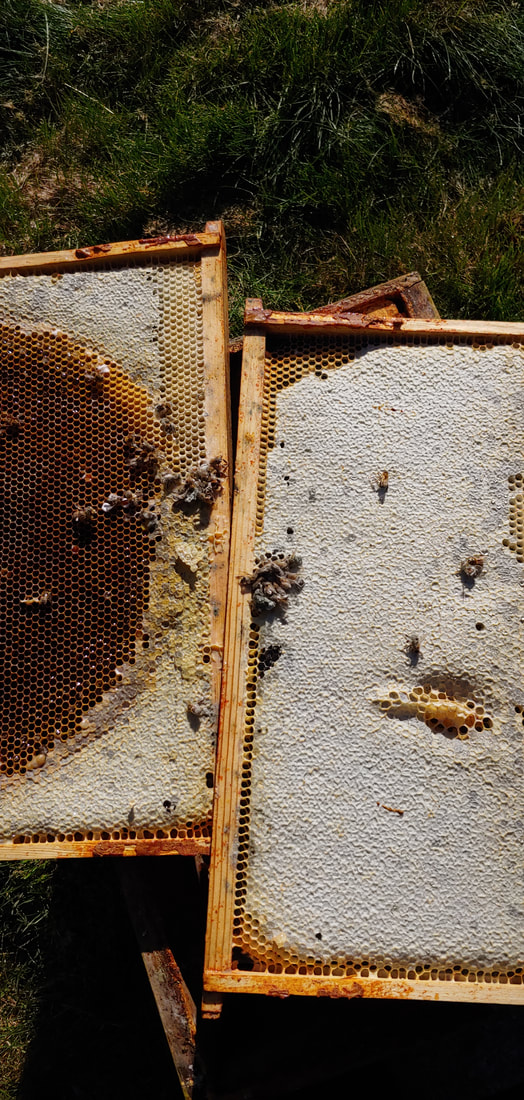
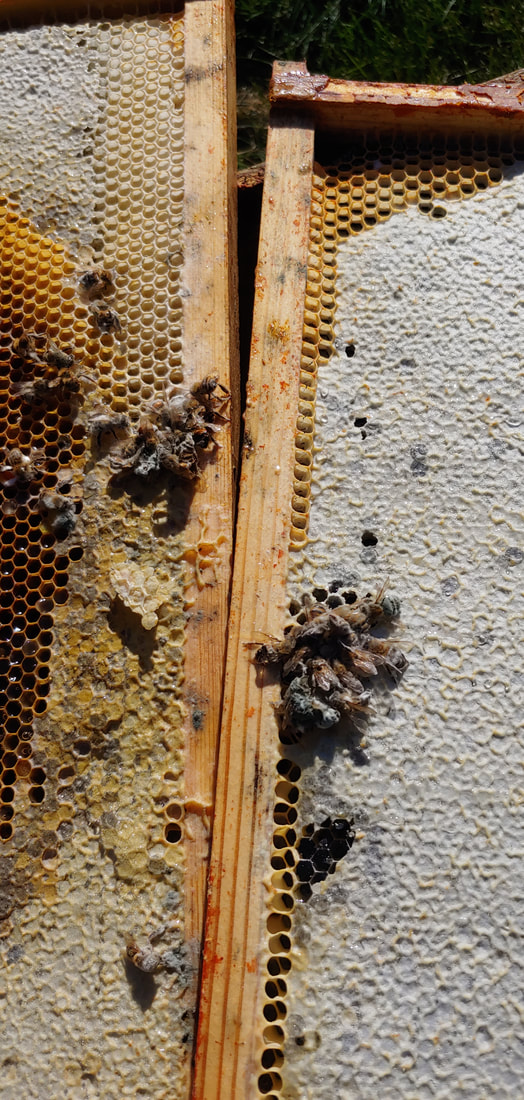
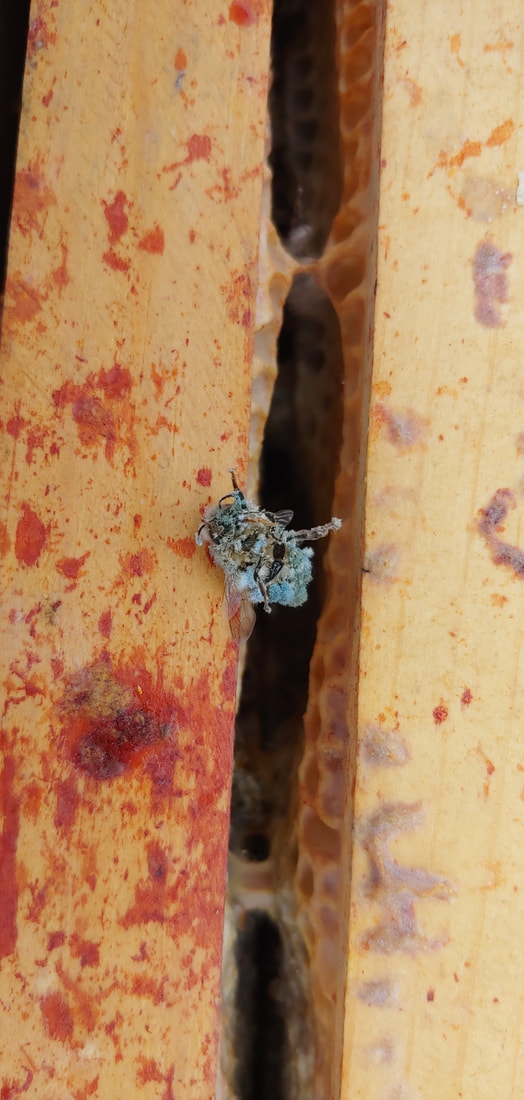
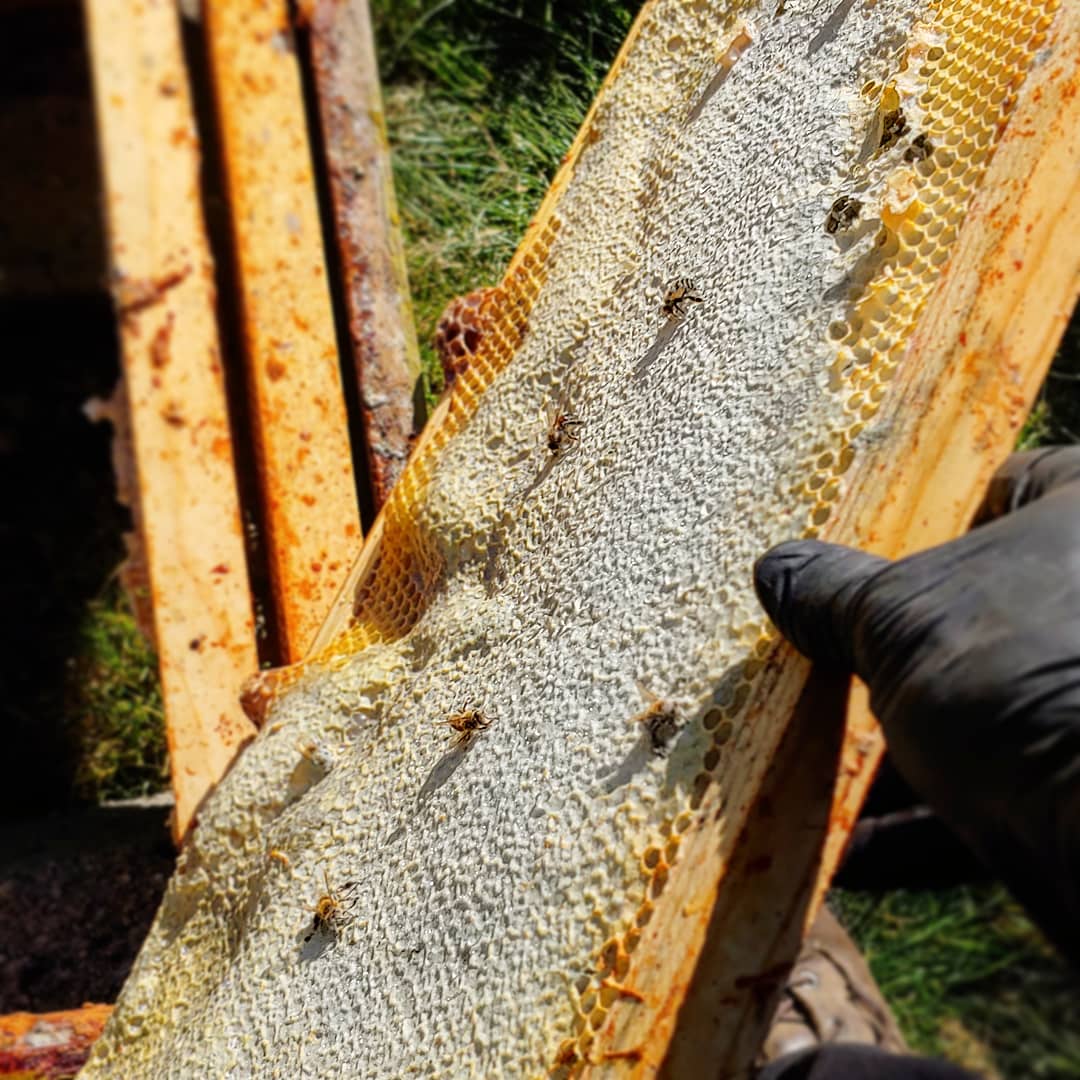
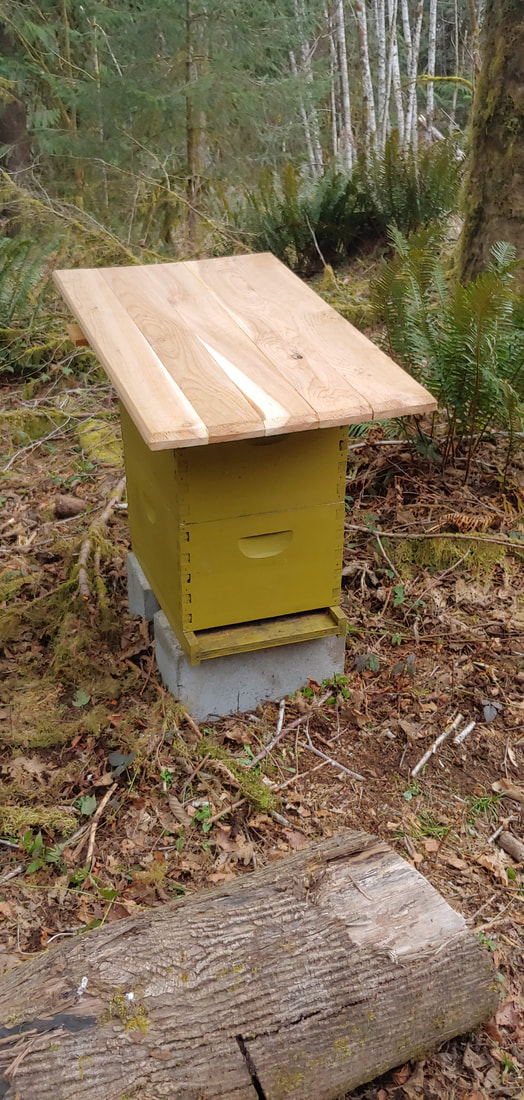
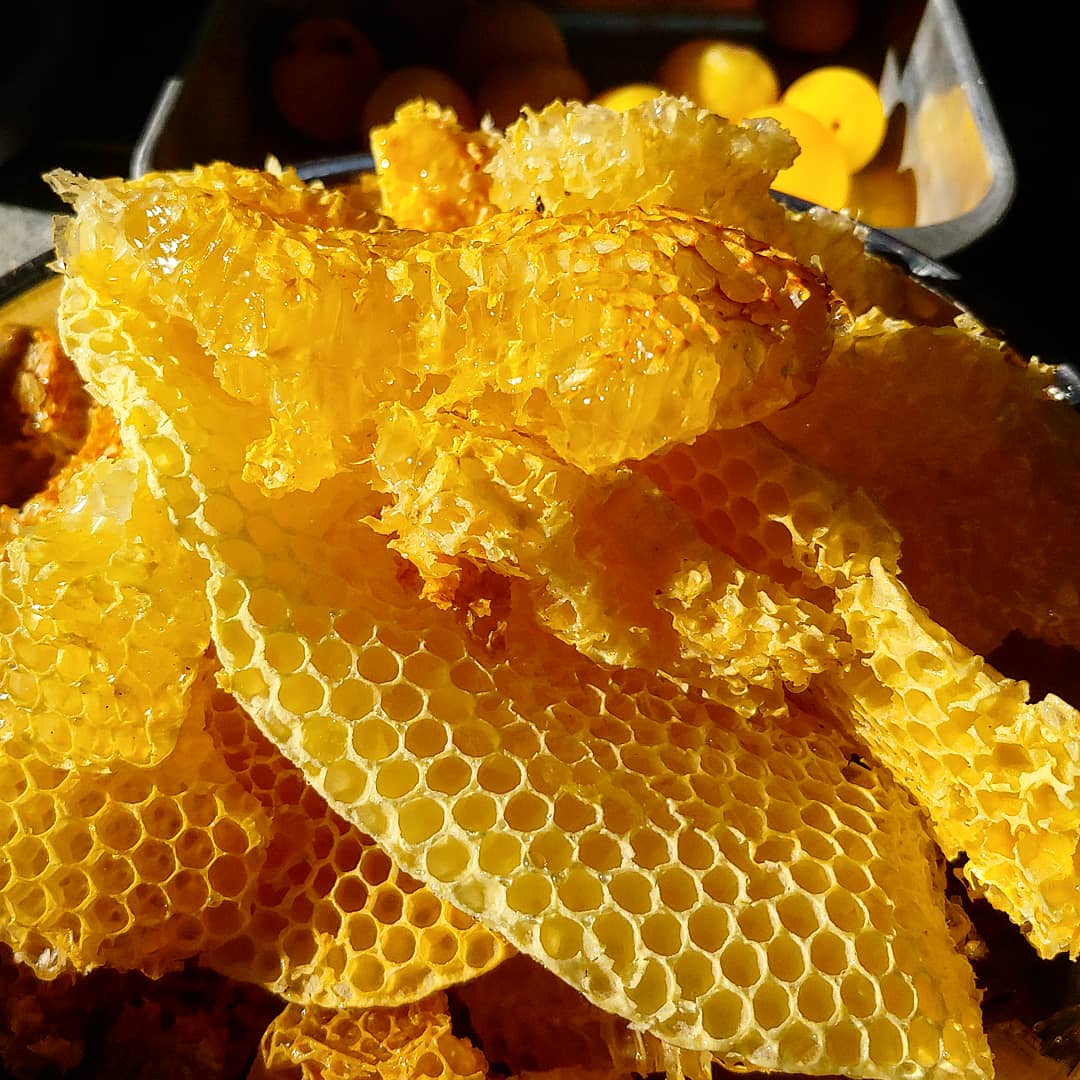
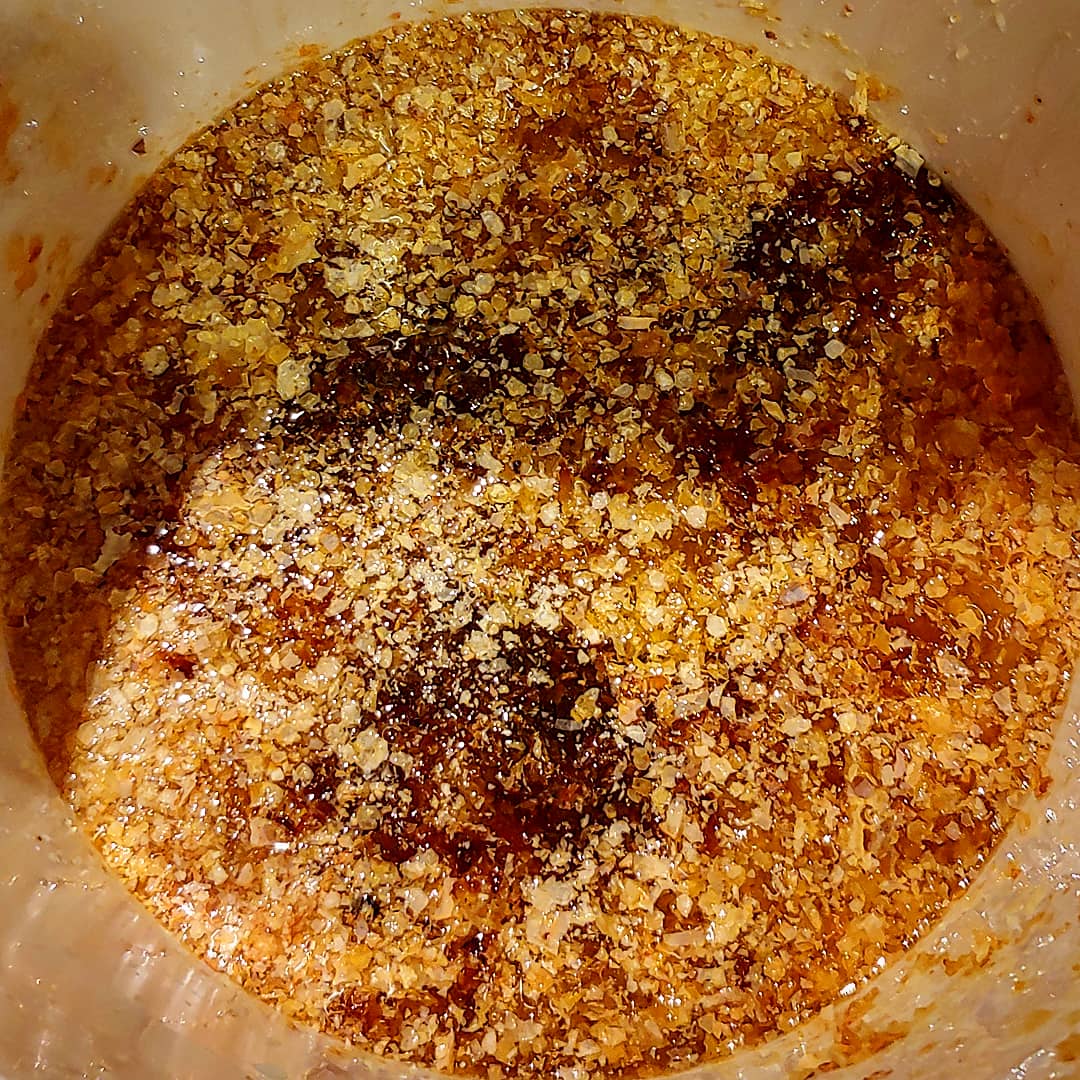
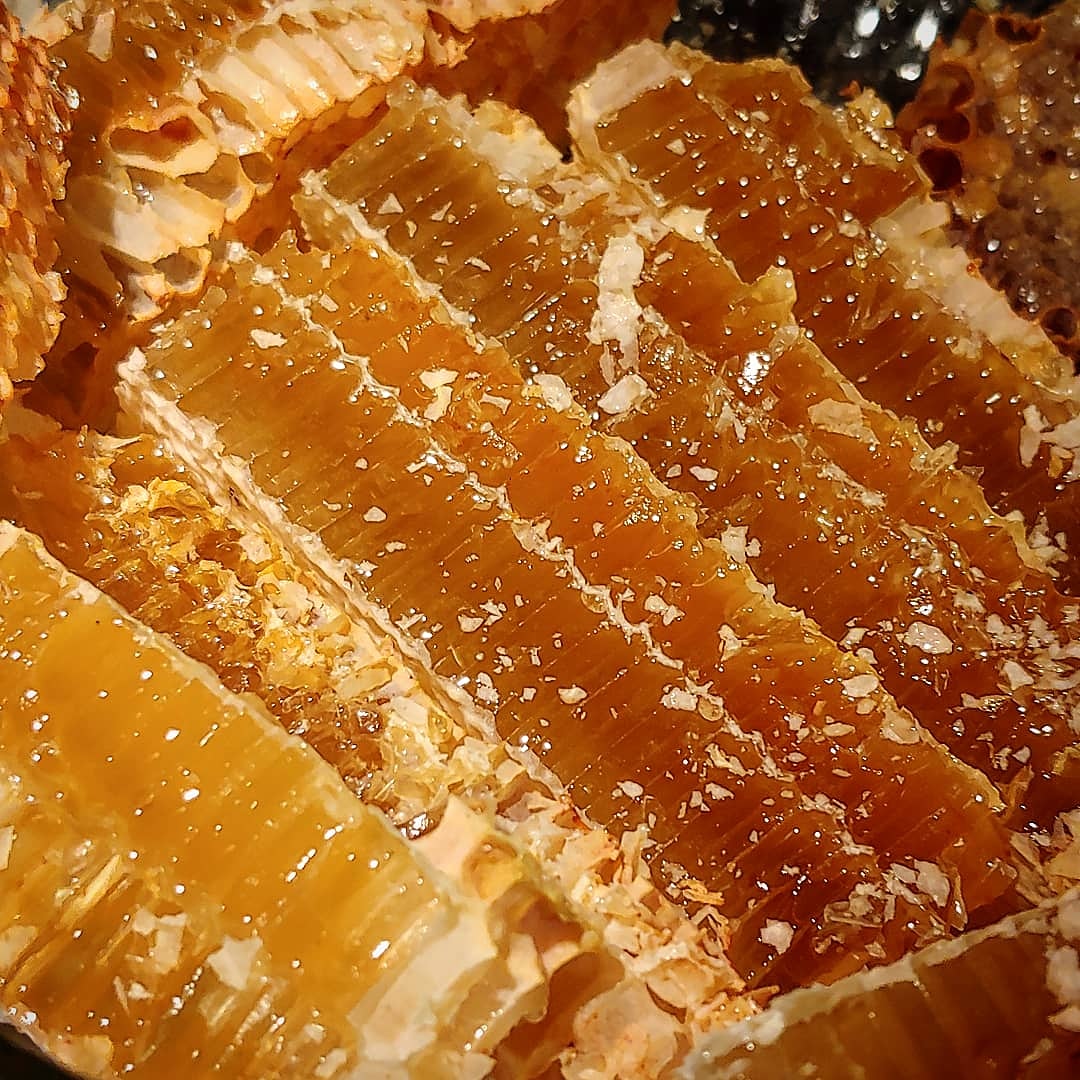
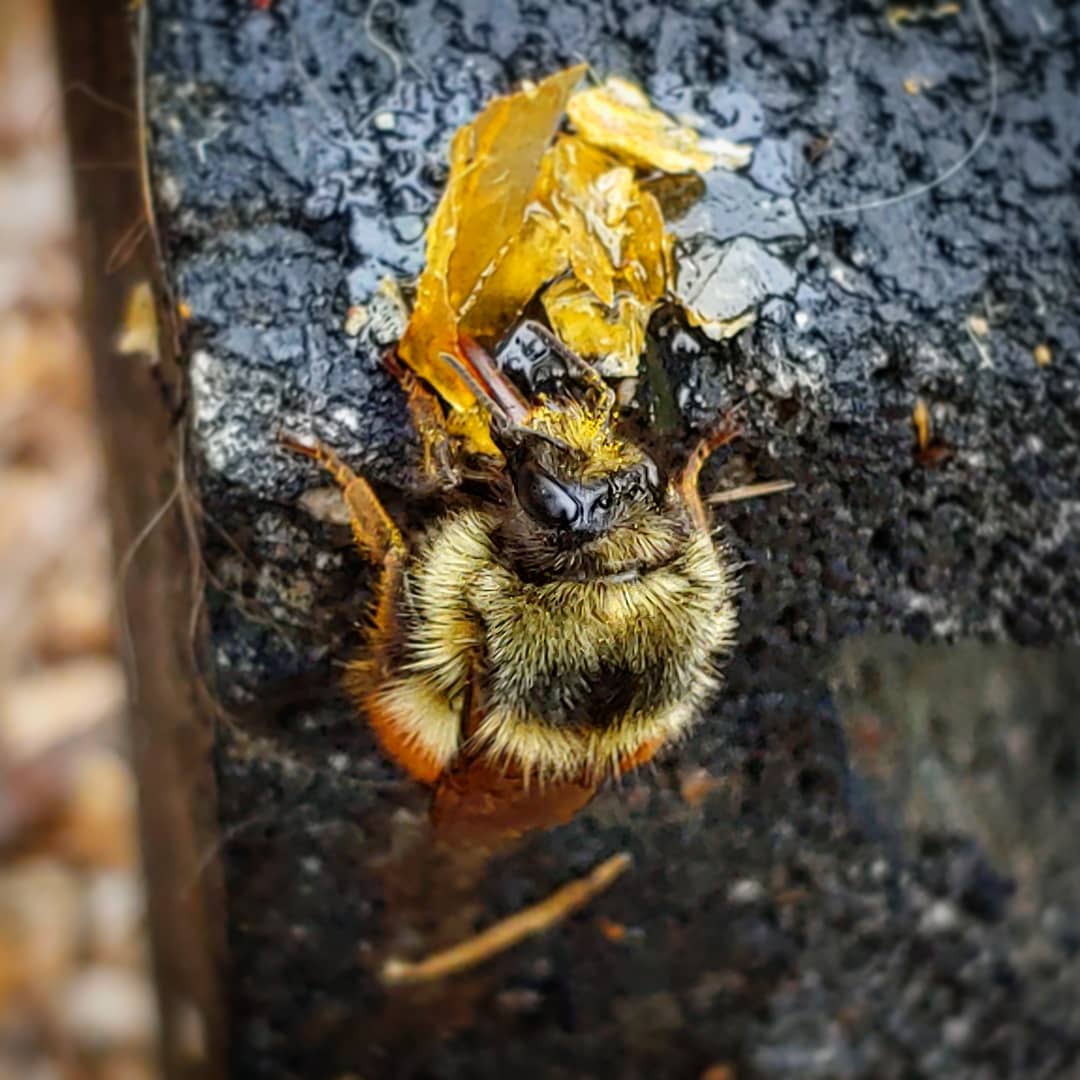
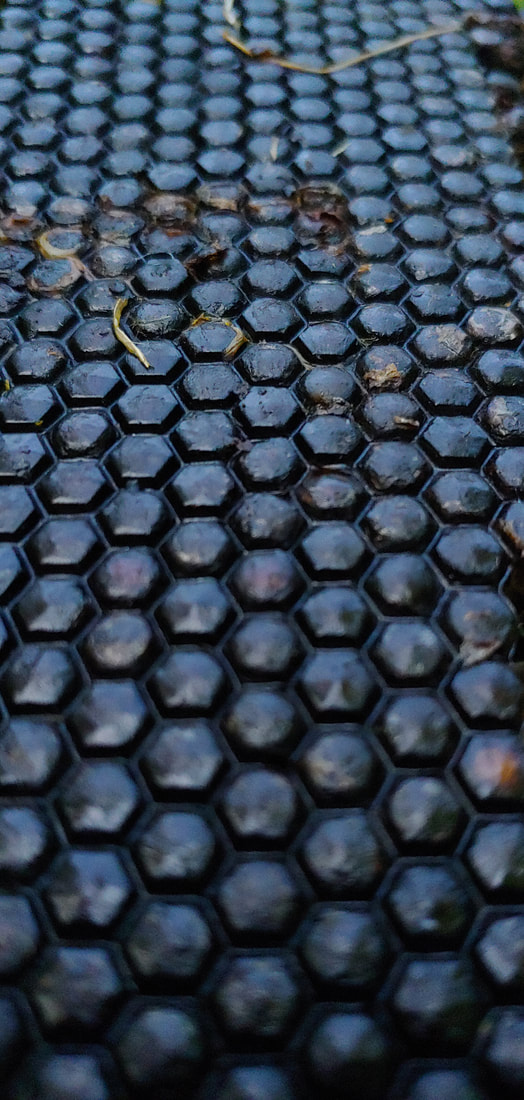
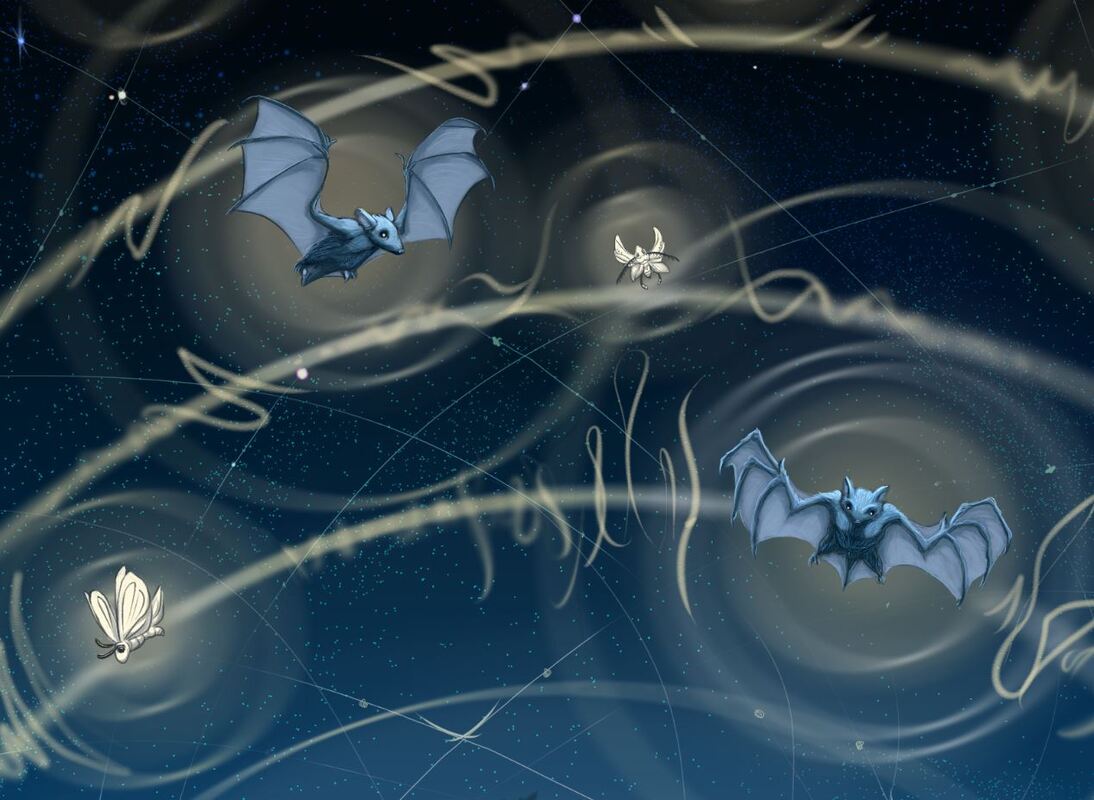
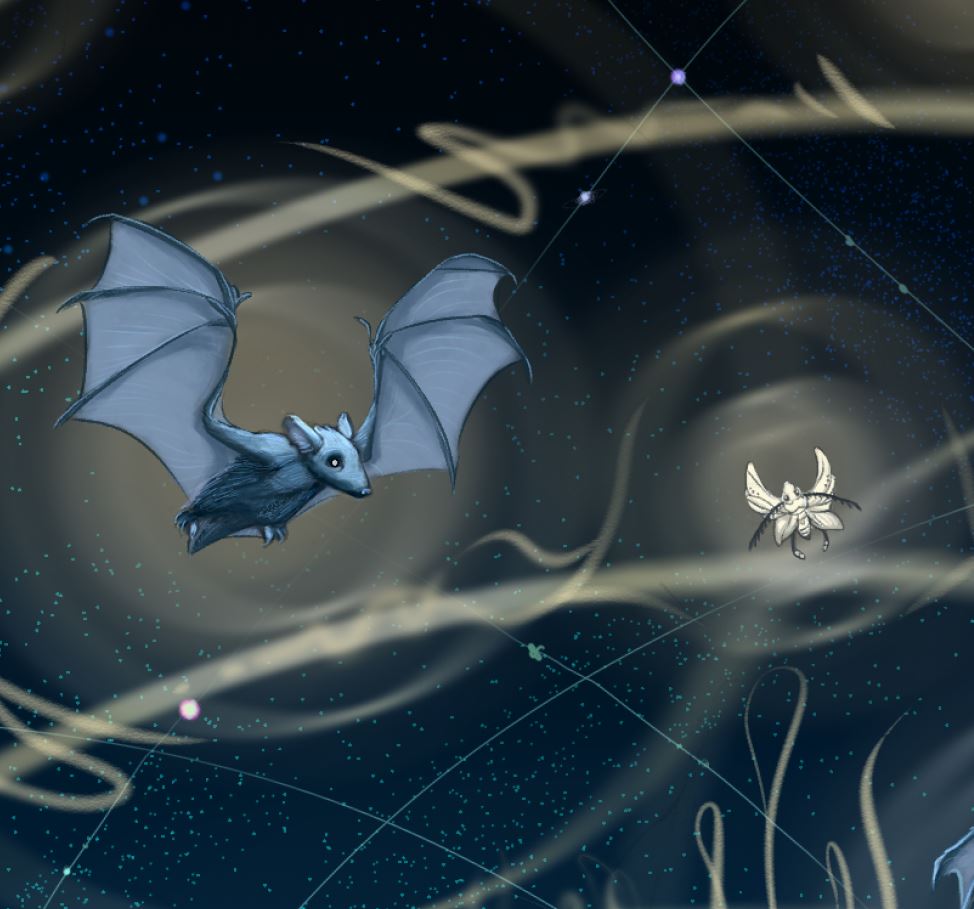
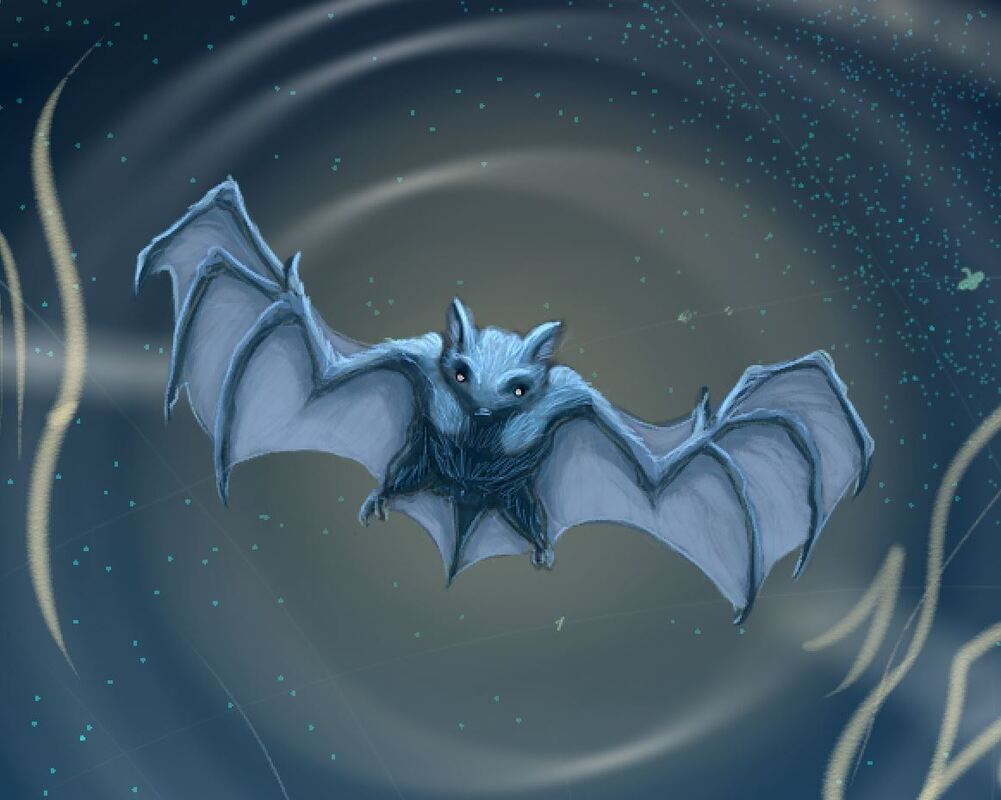
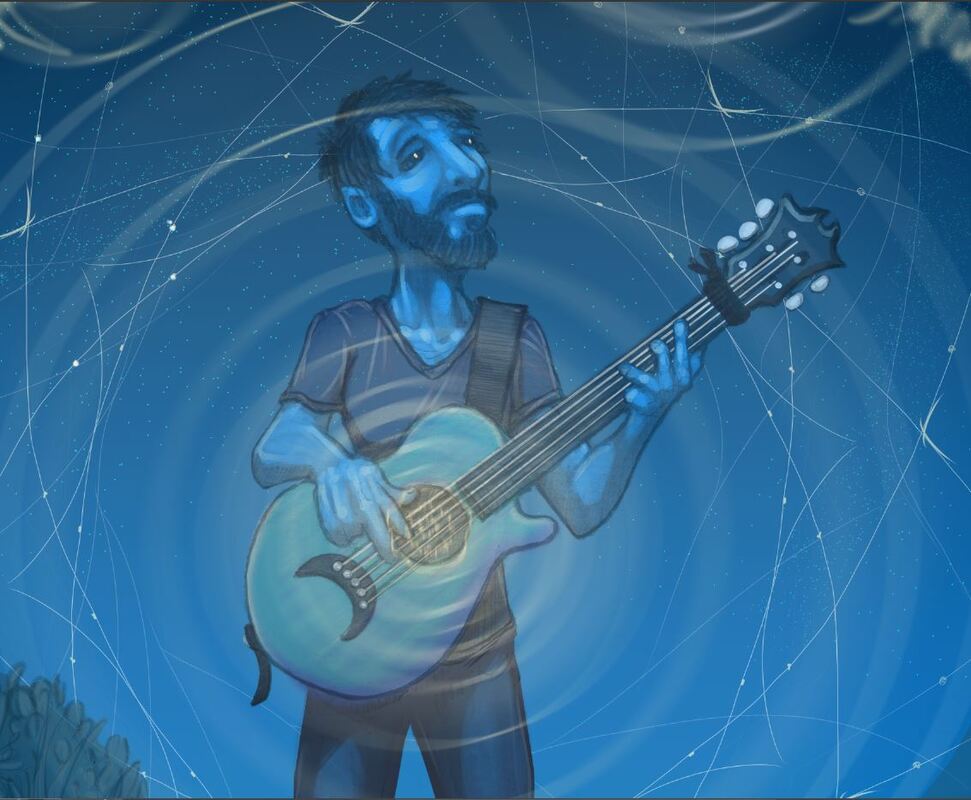
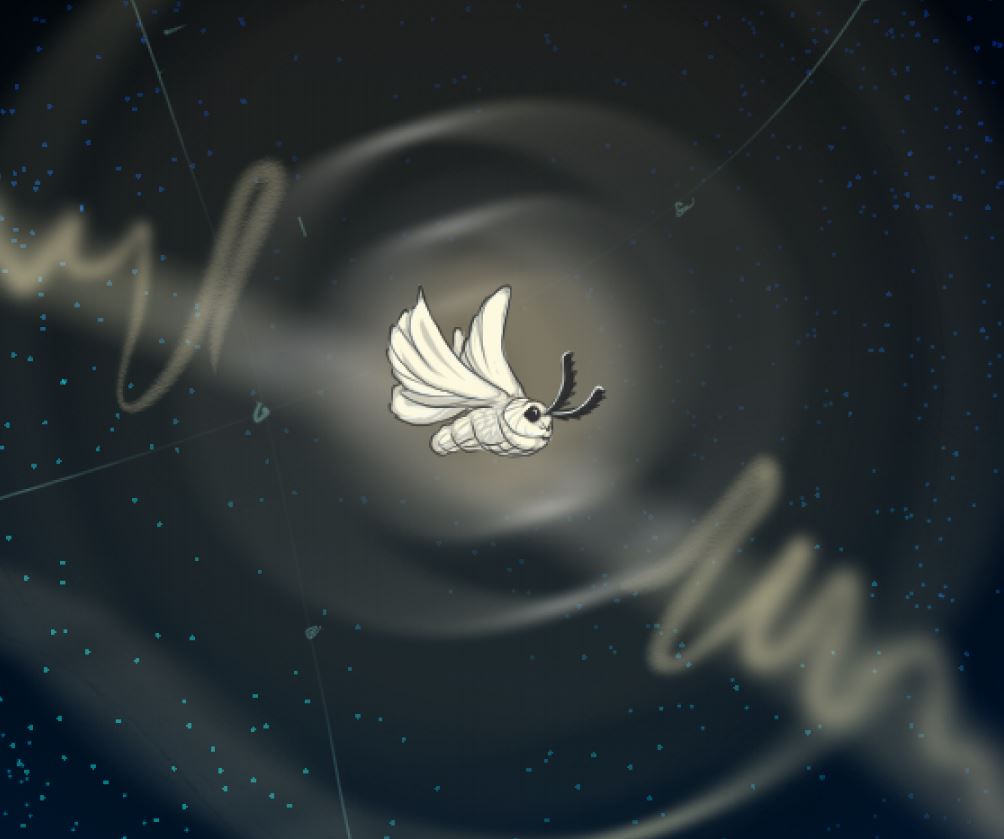
Sadly... they did not survive. I don't know why. They had plenty of honey, I inserted a tight cedar entrance limiter, there was a good group of nurse bees, and a dense comb arrangement. The photos above mostly show the aftermath. The queen died there in that cluster of nurses. The mold most likely developed after the bees died and stopped cleaning it. Maybe it was the varroa damage, maybe I didn't vent enough, maybe moisture and mold overtook their efforts. Either way, they didn't make it to spring. They did leave behind two gallons of incredible honey, and lots of wax to work with. After cleaning and harvesting the honey from the frames, I set them outside in the open boxes for the native bees and other insects to pick even cleaner. The fuzzy one in the photo at the bottom is one of the native bumblers licking honey out of some comb. I had built a simple cedar rain roof that sat snuggly over the aluminum covered Langstroth hive lid. I had also planned a cedar winter box, that would house and insulate the Langstroth boxes during future winters. Unfortunately, I did not get the opportunity to try again. I did however learn a lot from the experience, and perhaps will get the chance to try again, or help someone else in their keeping. Until then, enjoy the pictures, and don't make the mistakes I made. NR I got the chance to live in the woods of Washington state for a little while. It was a dream come true for me, and I spent as much time while there studying the flora and fauna as I could. One of my favorite observations were the silver haired bats. They used to fly across the porch, and I could stand in the dark as they hunted insects right next to my head. I went to take the recycling out one night and collided with one once. We were both startled, but politely apologized and went about our activities. On other nights I would stand out in the open under the moonlight and play guitar. I began to notice that the bats would tend to hunt in circles more consistently around where I was emitting guitar sound, especially acoustic bass guitar. I ran many experiments over the course of a year’s time and I don’t think they would flock to the sound, but would concentrate around it if they were already out and catching bugs. I would move around and found that they would move to where I was and circle overhead. I theorized that they were perhaps using the sound waves emitted from my guitar as extra “light” to find their prey. I know that the sound waves are in a very different frequency than their sonar systems, but their sensitivity to sound likely incorporates any sound within their field of perception. It felt a little like I was emitting a soft general light that brightened the overall vicinity, while they still emitted their own headlamps for direct tracking. I worried that I was perhaps interfering with them so I kept my experiments brief, but the results were consistent. They were generally drawn closer to the externally emitted sound, despite having a fully open sky to continue hunting in. I did not get recordings of any kind, so I made this artistic depiction of the experience. I hope to try again some time. Bats are important creatures as both insect regulators as well as pollinators. Bats are responsible for some very specific plant pollination, yet still get a bad reputation from media and ignorance. They face some serious dangers of their own like white nose fungus, and human habits of habitat destruction. Do some research if you are averse to bats. They are adorable, helpful, and fascinating creatures. Enjoy. Thanks. NR 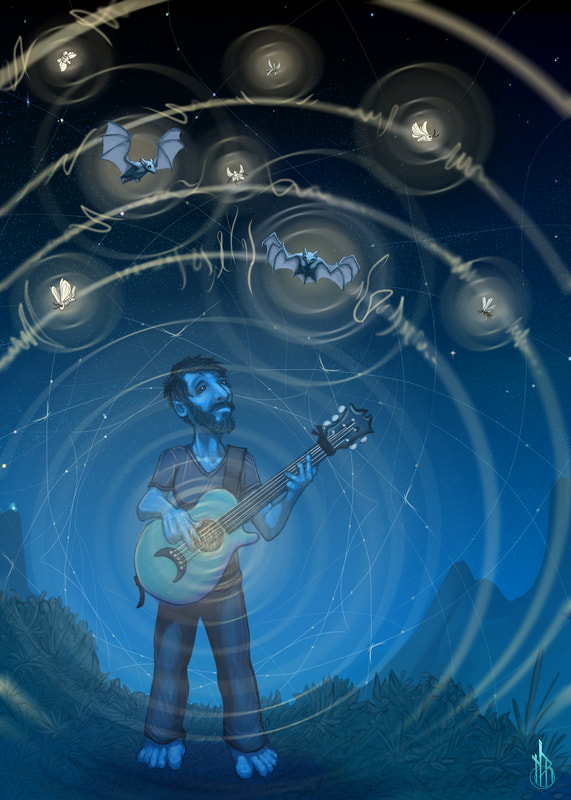 A jewel. There among the greenery, a rare blue dot. Salivations built over her tongue. Her jaw anticipated the tart caress of the tiny berry. A slight lift of the shrub's branches revealed a kingdom of sour citizens. She began to nibble them one by one. "Remember to leave as many as you can spare for the bush itself, and for our neighbors to gather." Her mother's graceful voice chimed in her long ears from just up the hill. She watched her mother gracefully prodding and pruning some new shoots of sweet leaf among the bramble. "But I am so hungry, and these are my favorite. There aren't enough for me to get full, and we don't find these very often." The young Cervidae's belly ached as she was not yet used to the grazing patterns of her life to come. A smile glistened from the wisdom in her mother's eyes. "If we eat all of our favorite plant today, will it survive to fruit tomorrow? For us, fruit ever bears in wander. Now come along. Hikers are approaching, and I know of a healthy patch of wood sorrel nearby." The young fawn watched as her mother advanced up the wooded hillside without hurry. 'Maybe just a few more...' she thought, 'but I will leave more on the branches than that which I take.' This is something I wrote in response to a HITRECORD.org writing prompt. -NR 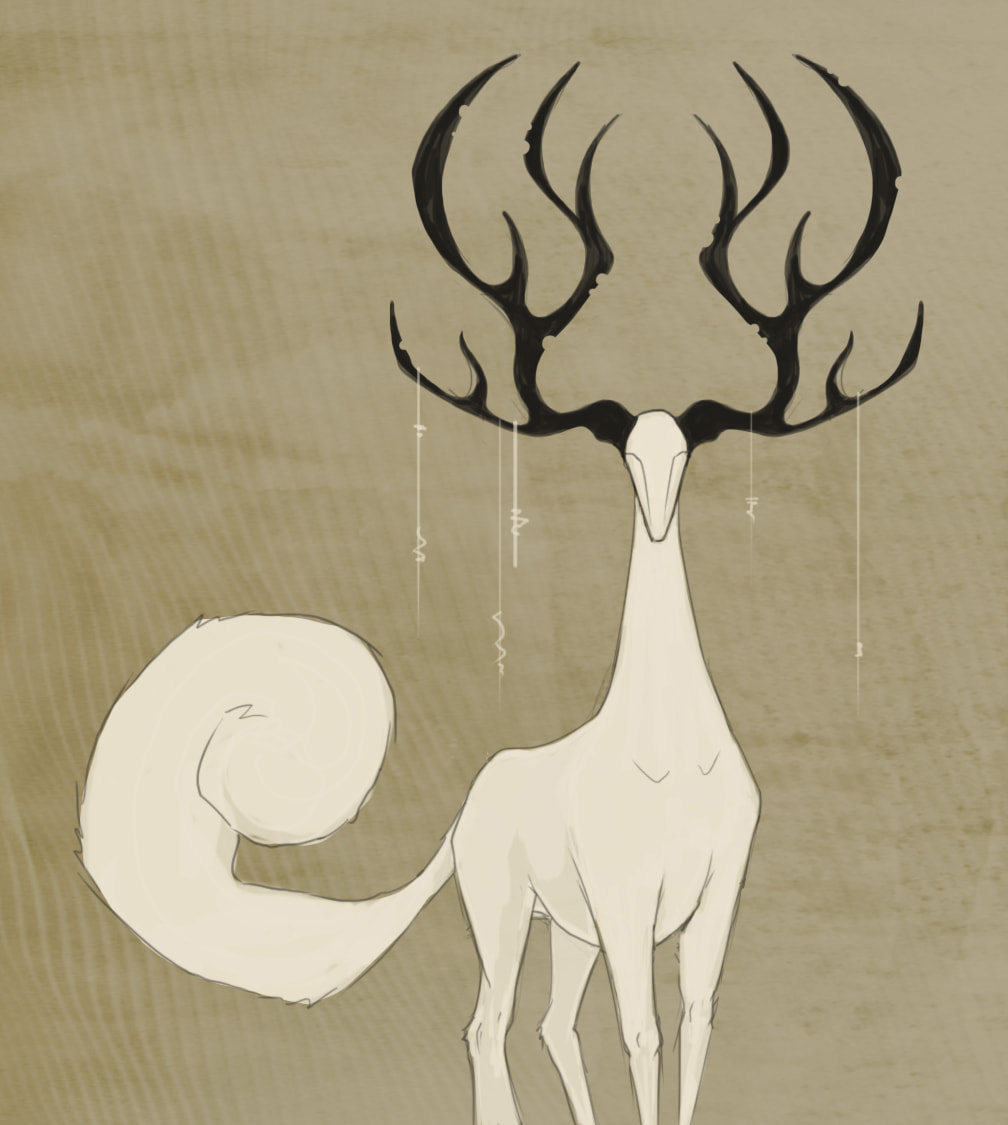 |
Nicholas RodriguezArtist, designer, musician, writer, craftsman, nature geek... Archives
March 2024
Categories
All
|








 RSS Feed